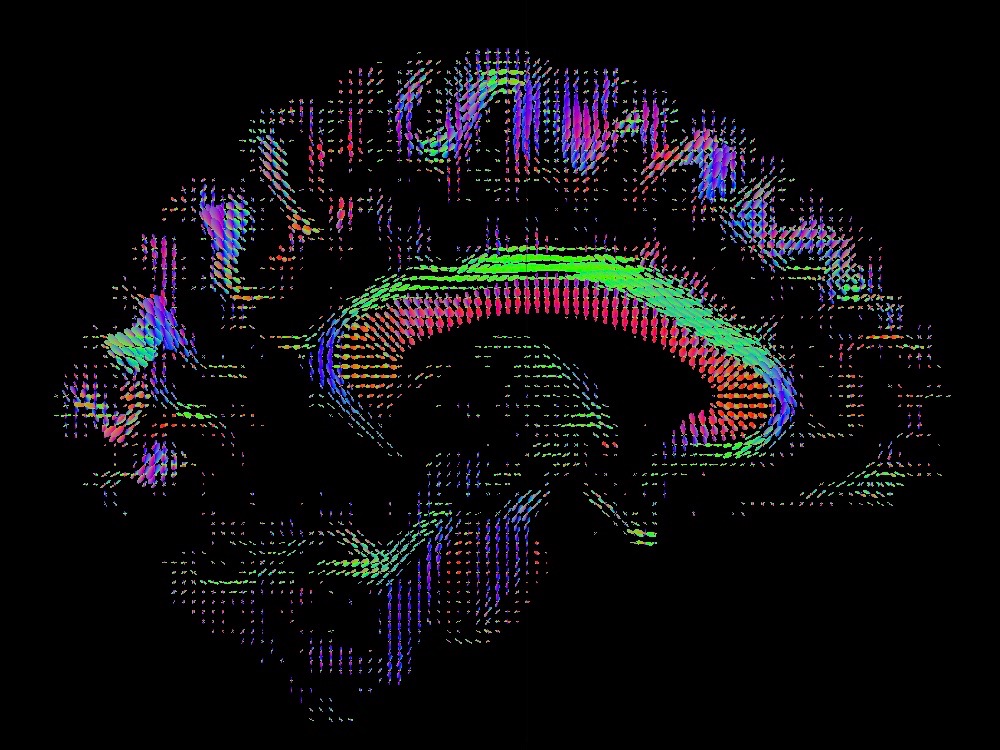
Human Whole-Brain Diffusion MRI Dataset Available Online
Reported by Fuyixue Wang and colleagues, it is the first publicly available reference dataset acquired in vivo at submillimeter resolution.
Reported by Fuyixue Wang and colleagues, it is the first publicly available reference dataset acquired in vivo at submillimeter resolution.

Vitaly Napadow, Dan-Mikael Ellingsen and colleagues reported the findings in Pain.
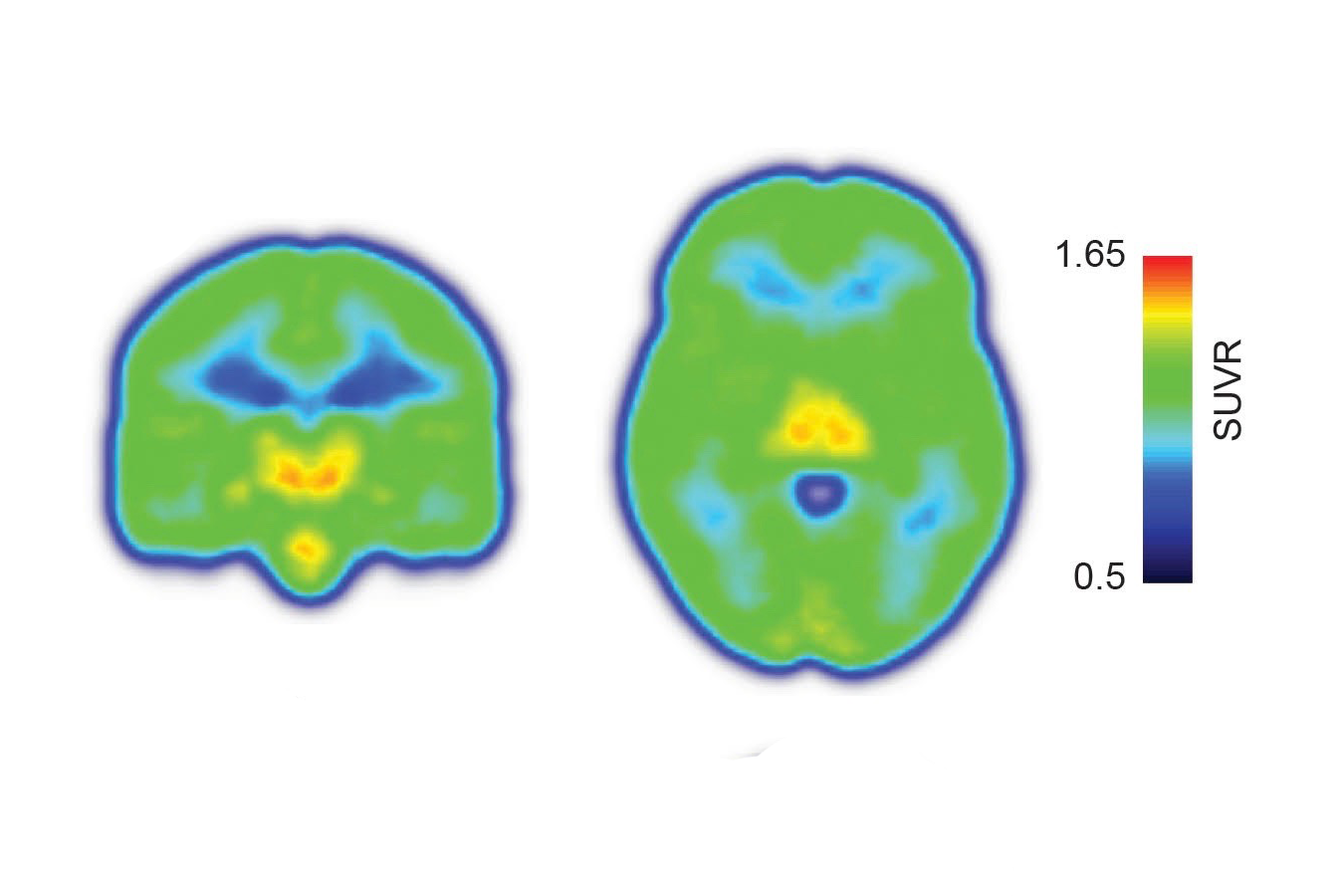
Angel Torrado-Carvajal and Marco L. Loggia and colleagues have reproduced and expanded on earlier work showing that a thalamic neuroinflammation signal on PET/MRI distinguishes patients with chronic low back pain from healthy controls.

Using MEG, the Center’s Fahimeh Mamashli, Tal Kenet and colleagues determined that children with ASD show altered functional connectivity in response to inverted faces.

Jyrki Ahveninen and colleagues recently reviewed the use of movies and stories as stimuli during neuroimaging research into memory attention, language, emotions and social cognition.
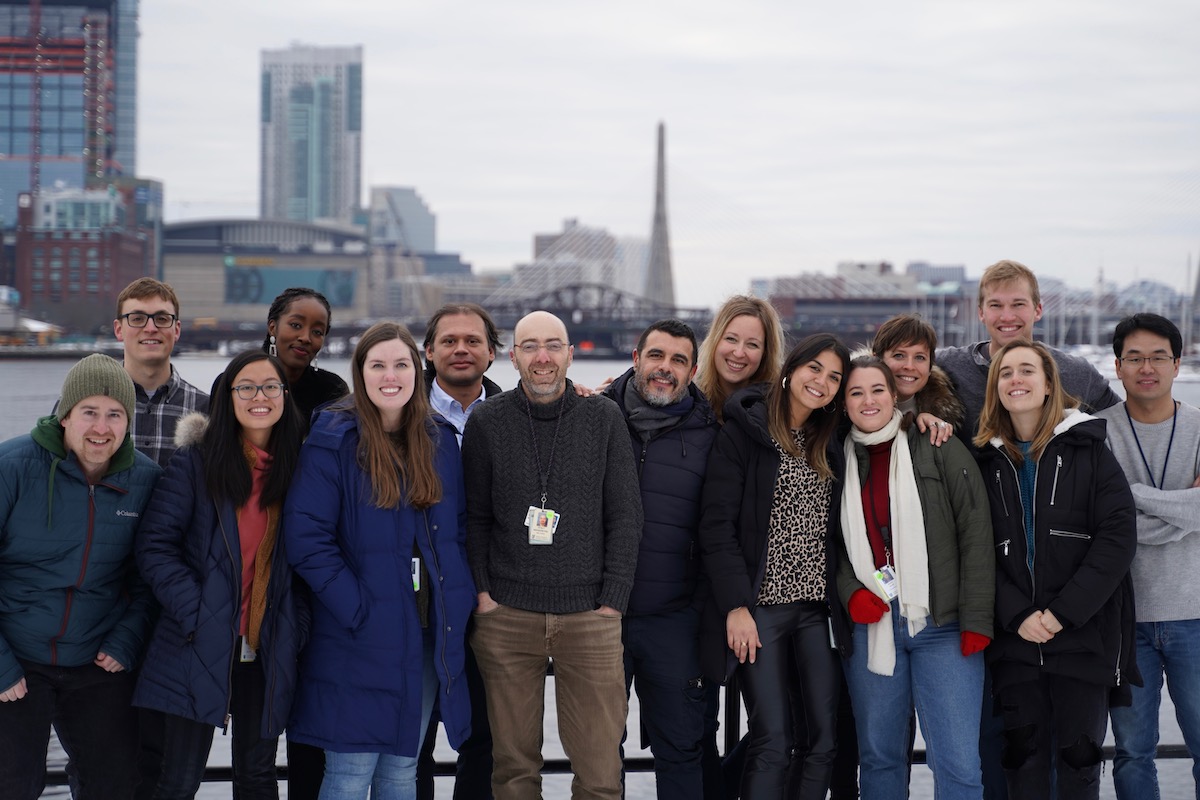
Using the novel approach, Vitaly Napadow and his team demonstrated the positive impact of good bedside manner.
Compared with standalone MRI hybrid PET/MRI enabled more accurate evaluation of tumor size N status and external sphincter infiltration in patients with locally advanced rectal cancer.
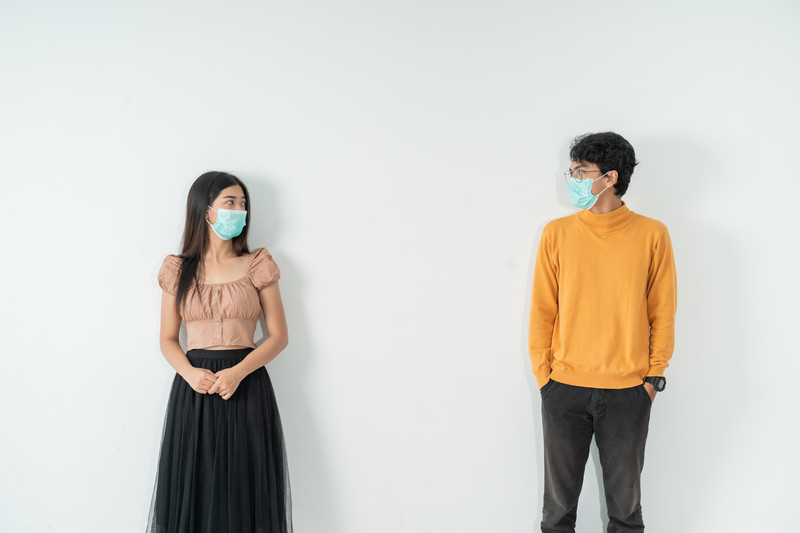
Daphne Holt and Roger Tootell are using virtual reality to study how ‘personal space’ requirements have changed as a result of social distancing during the COVID-19 pandemic.

The Center’s John Kirsch and colleagues review strategies for optimizing image quality and reducing artifacts during fetal MRI.

Butterfield is serving as Education co-chair for the society’s Clinical Trials Network.
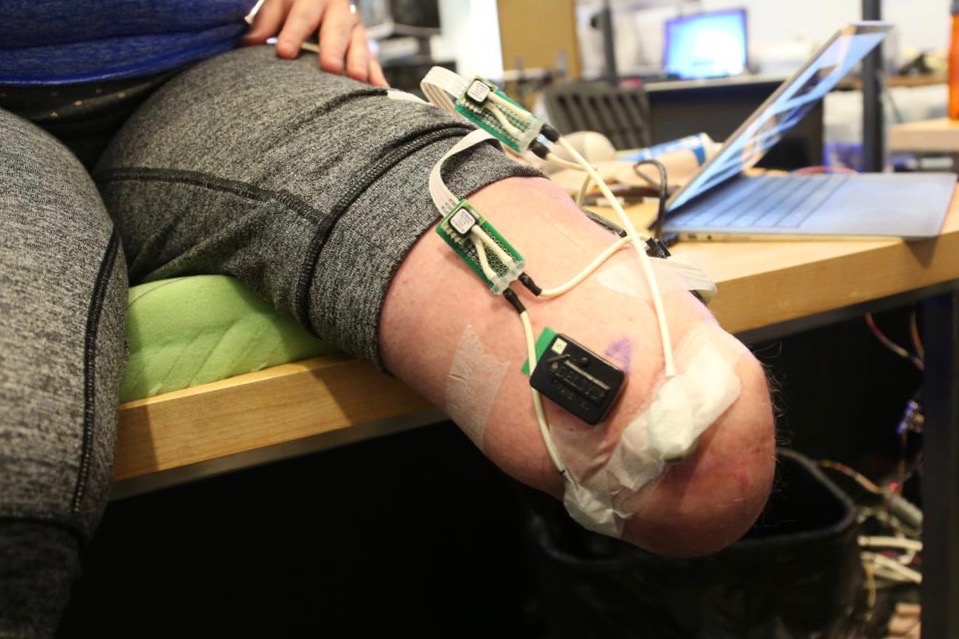
The Center’s Shriya Srinivasan, Robert Barry and colleagues describe the findings in Science Translational Medicine.
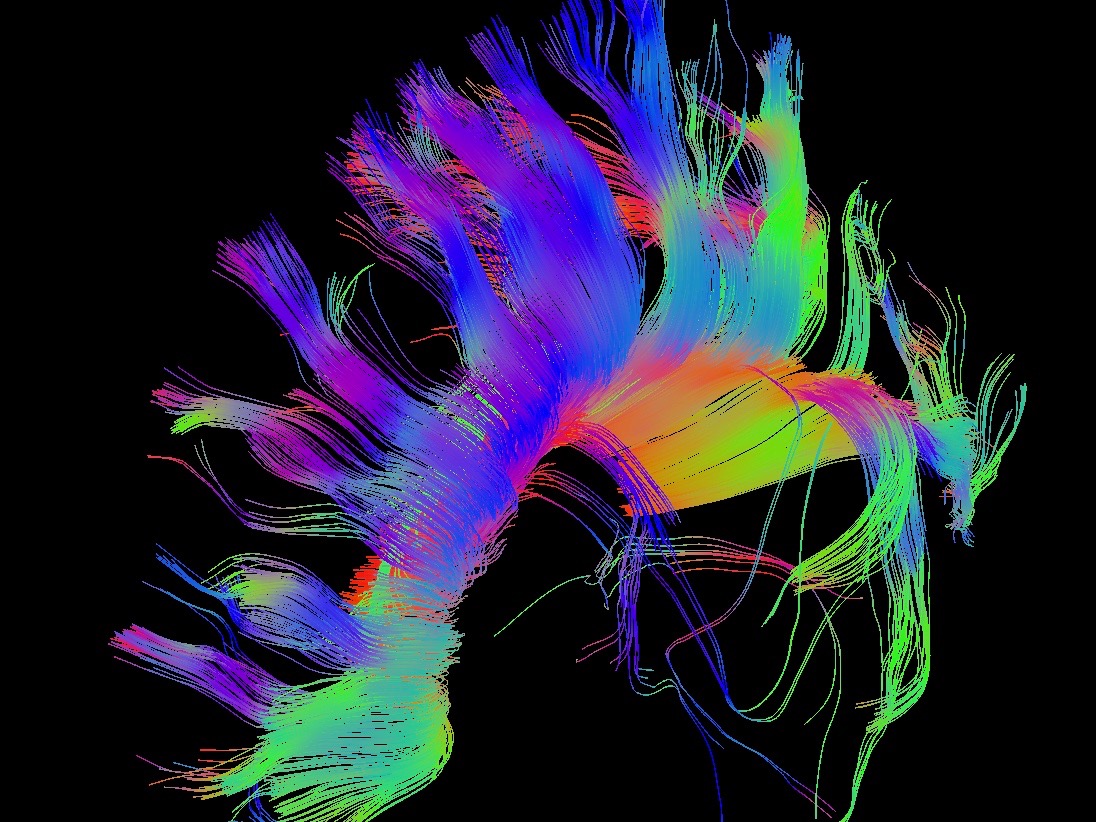
Global computational researchers collaborated and competed to advance the field of Diffusion MRI Tractography.
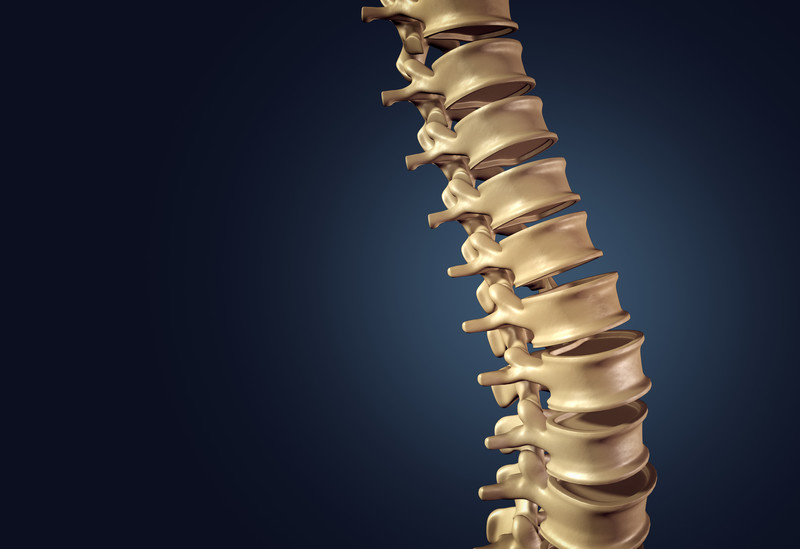
Caterina Mainero and colleagues have become the first to identify in vivo a specific spatial pattern of lesion development in the spinal cord of MS patients in which meningeal inflammation may play a role.
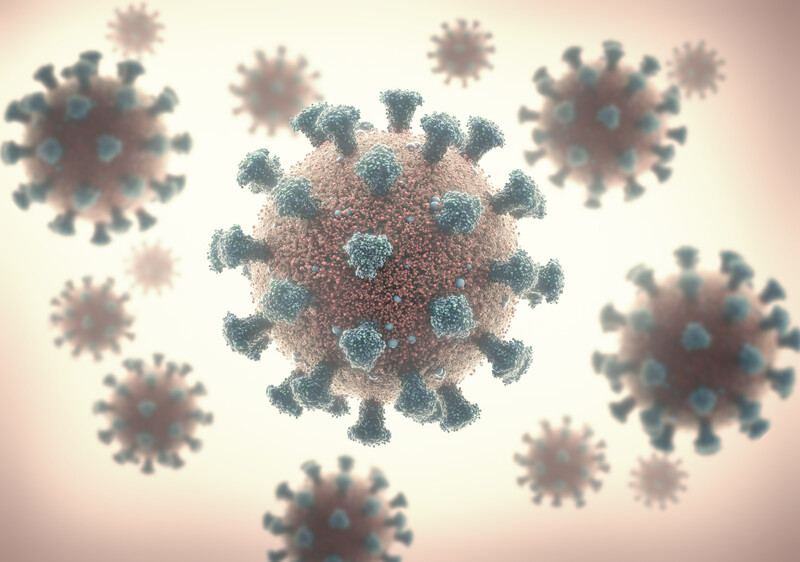
Eva-Maria Ratai and colleagues report finding metabolic disturbances in the brain in one of the first spectroscopic imaging-based studies of neurological injury in COVID-19 patients.
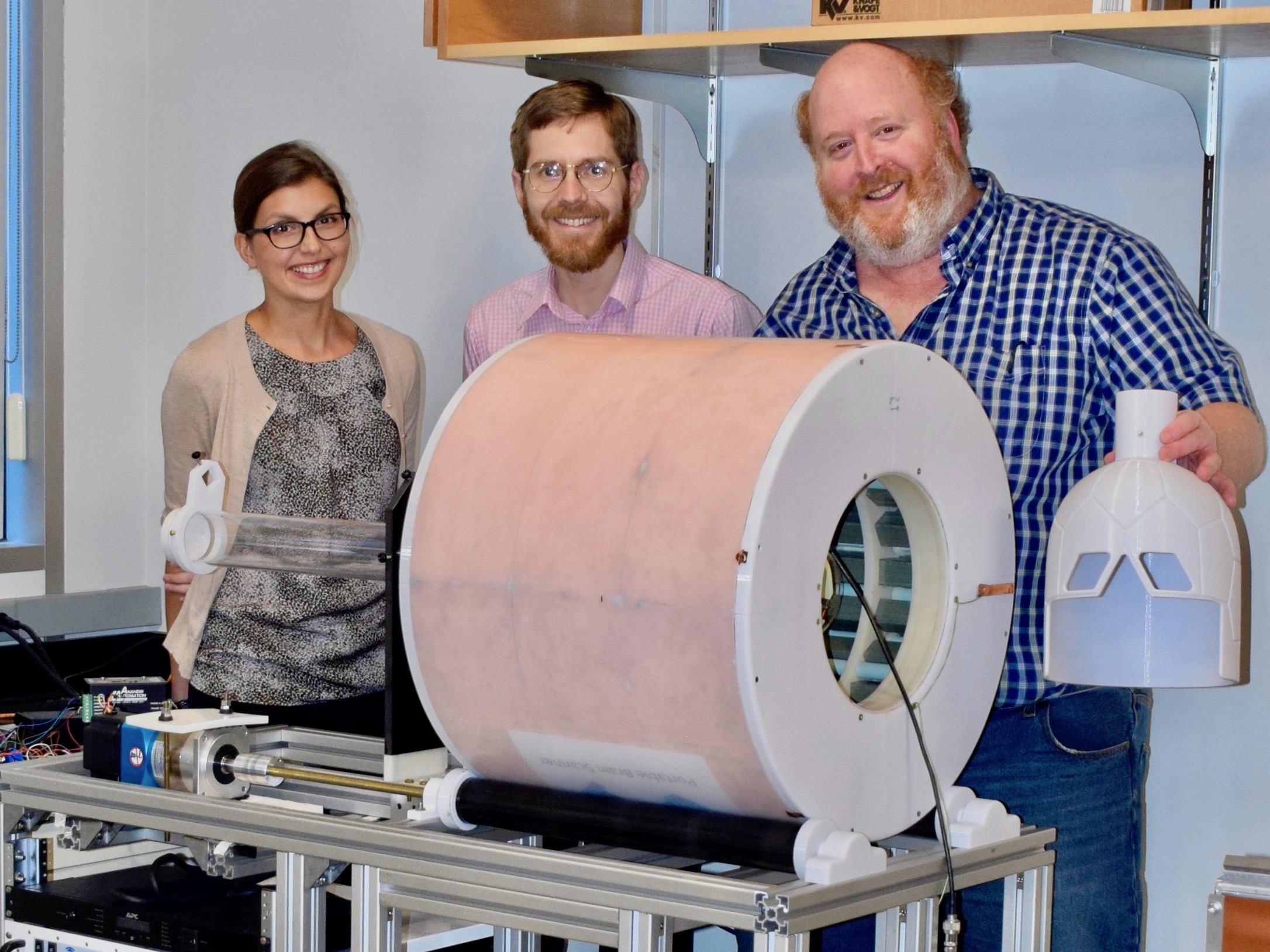
The new device was reported last week in in the journal Nature Biomedical Engineering.

Peter Caravan and colleagues use a novel PET probe to find type I collagen and identify disease activity in pulmonary fibrosis.

Iris Y. Zhou, Onofrio A. Catalano and Peter Caravan review a host of functional and molecular MRI techniques.

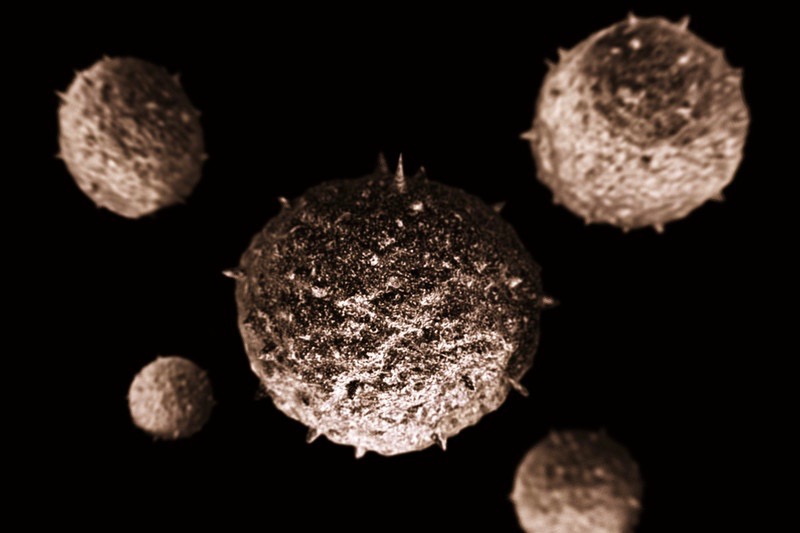
Developed by Chongzhao Ran and colleagues, the probe greatly improves the ability to detect amyloid-beta in vitro and in a mouse model of Alzheimer’s disease.

Jian Kong and colleagues have identified and validated a distinctive pattern of abnormal brain connections on functional MRI that discriminates between patients with migraine without aura and healthy controls.
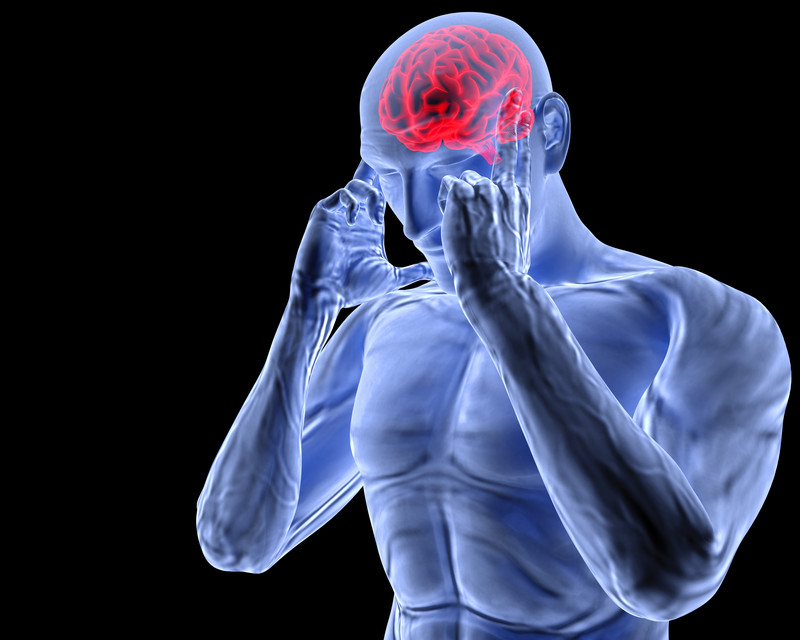
Neuroinflammation in patients with fibromyalgia was assessable noninvasively using proton magnetic resonance spectroscopy and resting-state functional MRI.