
Fast fMRI Detects Specific Cascade of Thalamic Activity at Transitions in Behavioral Arousal State
The study was reported in Nature Communications by the Center’s Laura Lewis and colleagues.
The study was reported in Nature Communications by the Center’s Laura Lewis and colleagues.
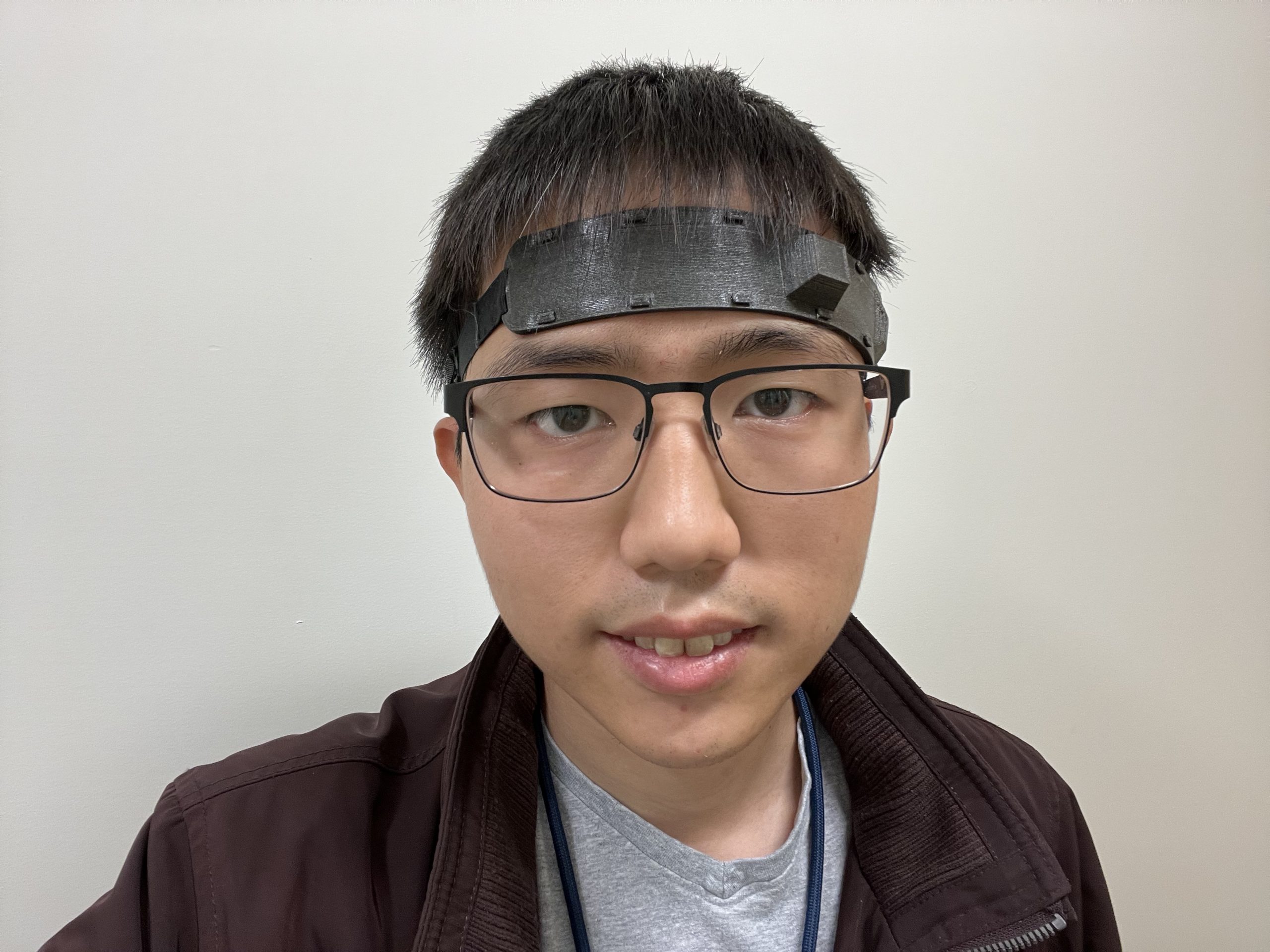
The new device was developed by Optics @ Martinos researchers Kuan-Cheng (Tony) Wu, Marco Renna and Maria Angela Franceschini.

Nicole Zurcher Wimmer, Jacob Hooker and colleagues recently reviewed research on relationships between autism spectrum disorder (ASD) and histone deacetylases (HDACs).
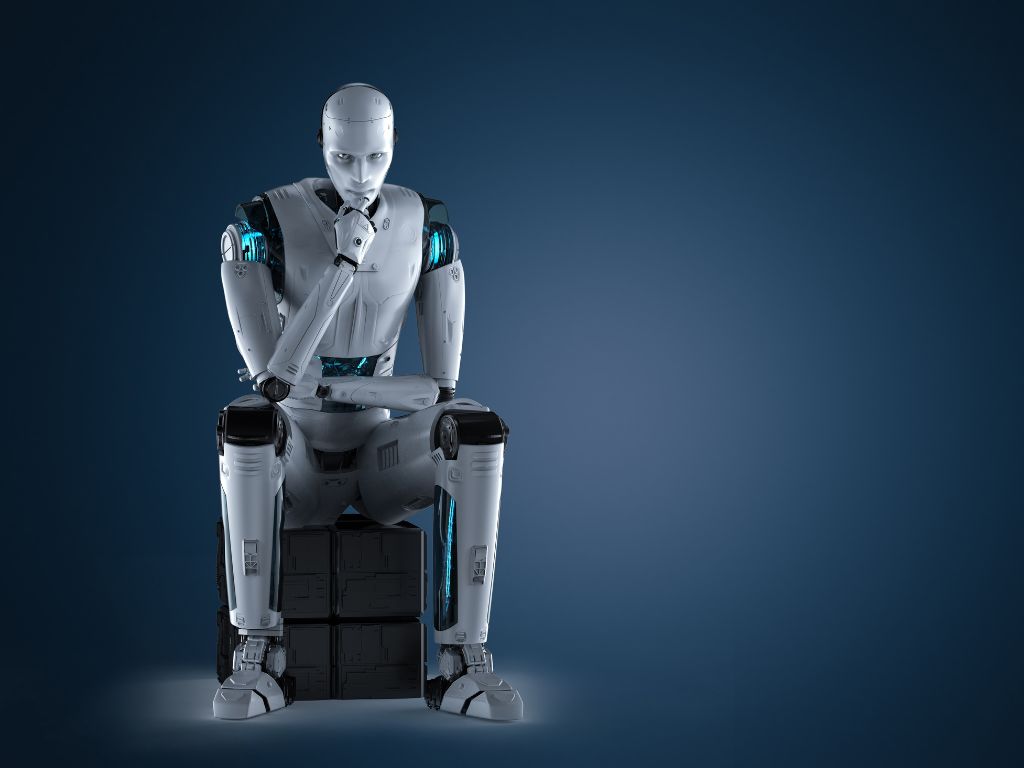
The Center’s Christopher P. Bridge and colleagues have created a fully automated deep learning system to quantify and characterize muscle and adipose tissue on CT scans.
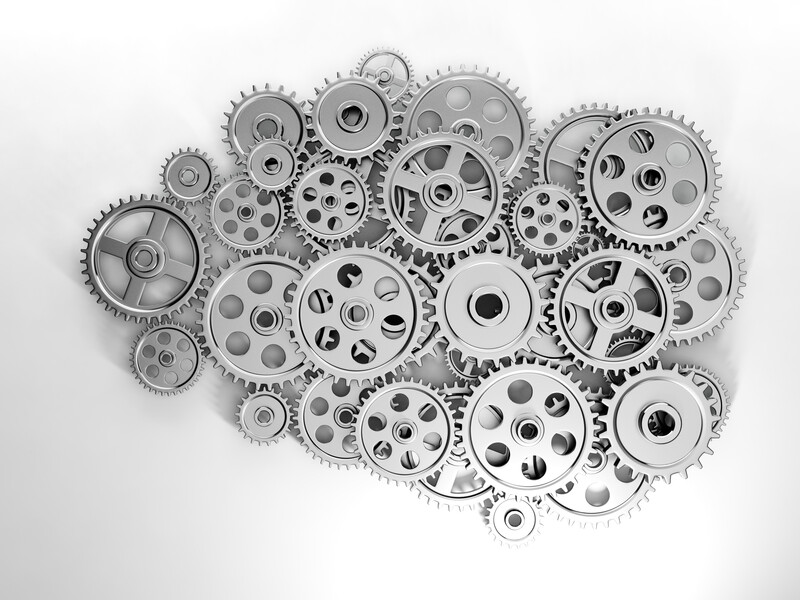
David H. Salat and colleagues created a machine learning classifier that detected Alzheimer’s disease–like brain patterns in younger adults (40 to 59 years old) and in a cohort with mild cognitive impairment.
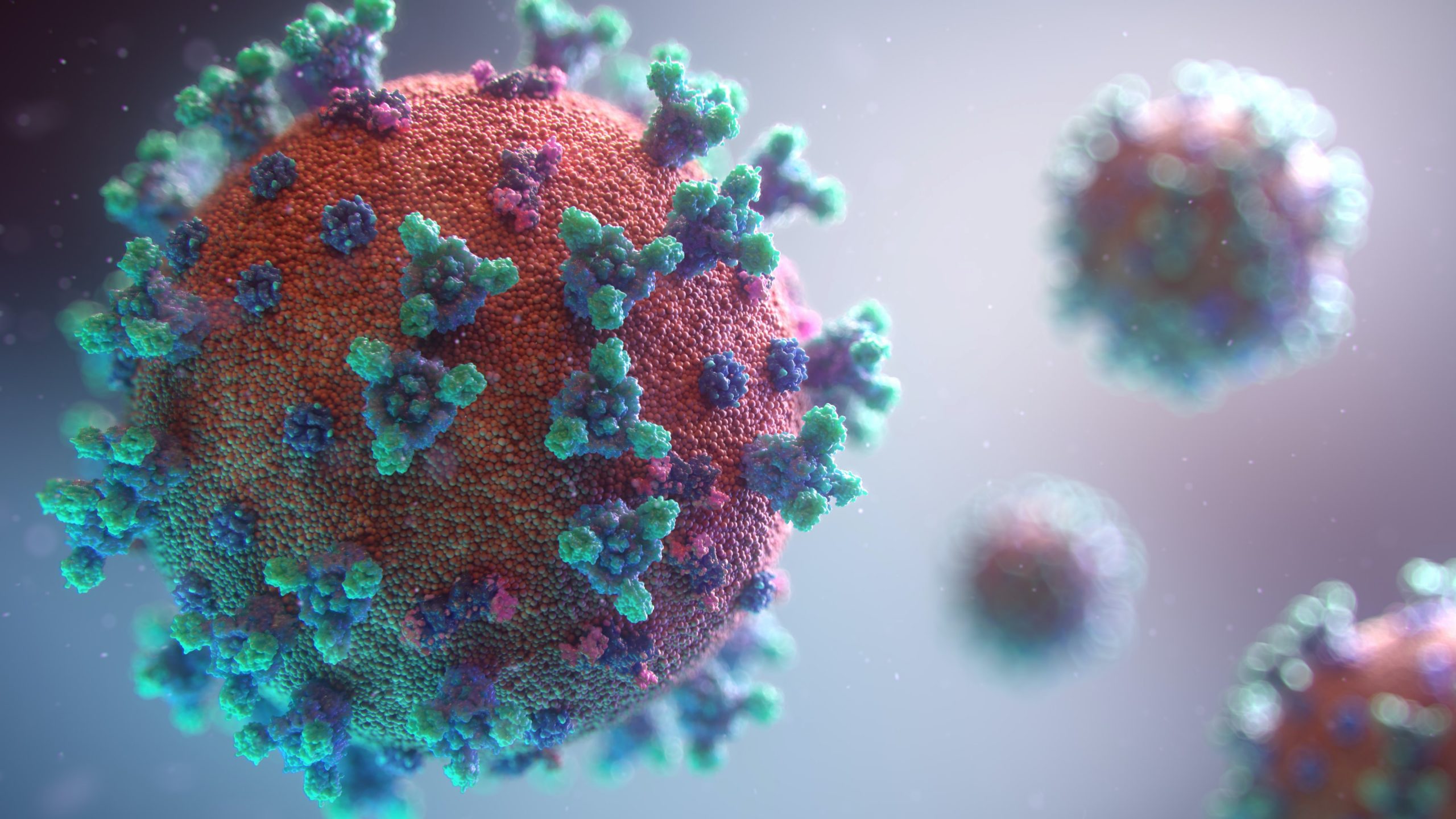
The findings could have important implications for a broad number of stress-related disorders, says Marco Loggia, senior author of the new study.
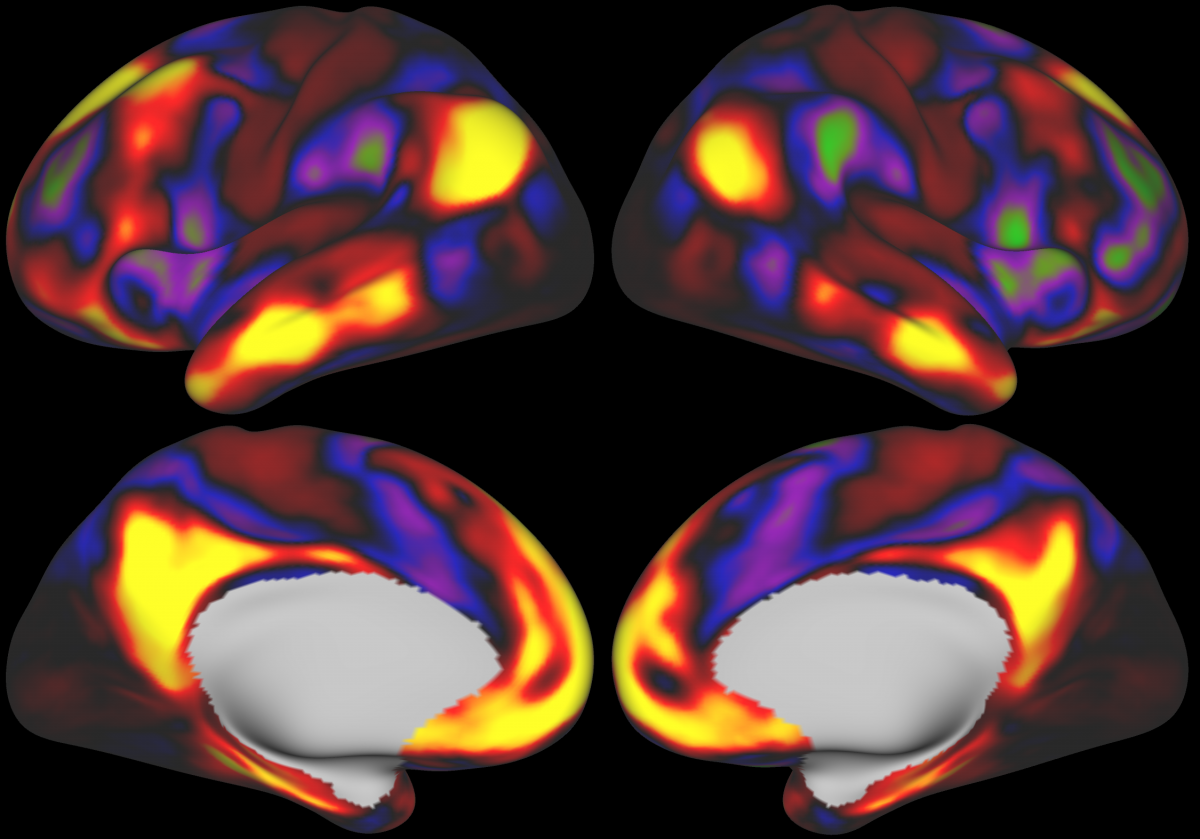
The project is co-led by the Martinos Center’s David Salat.

The portable, noninvasive procedure could have significant implications for improving highway and workplace safety.
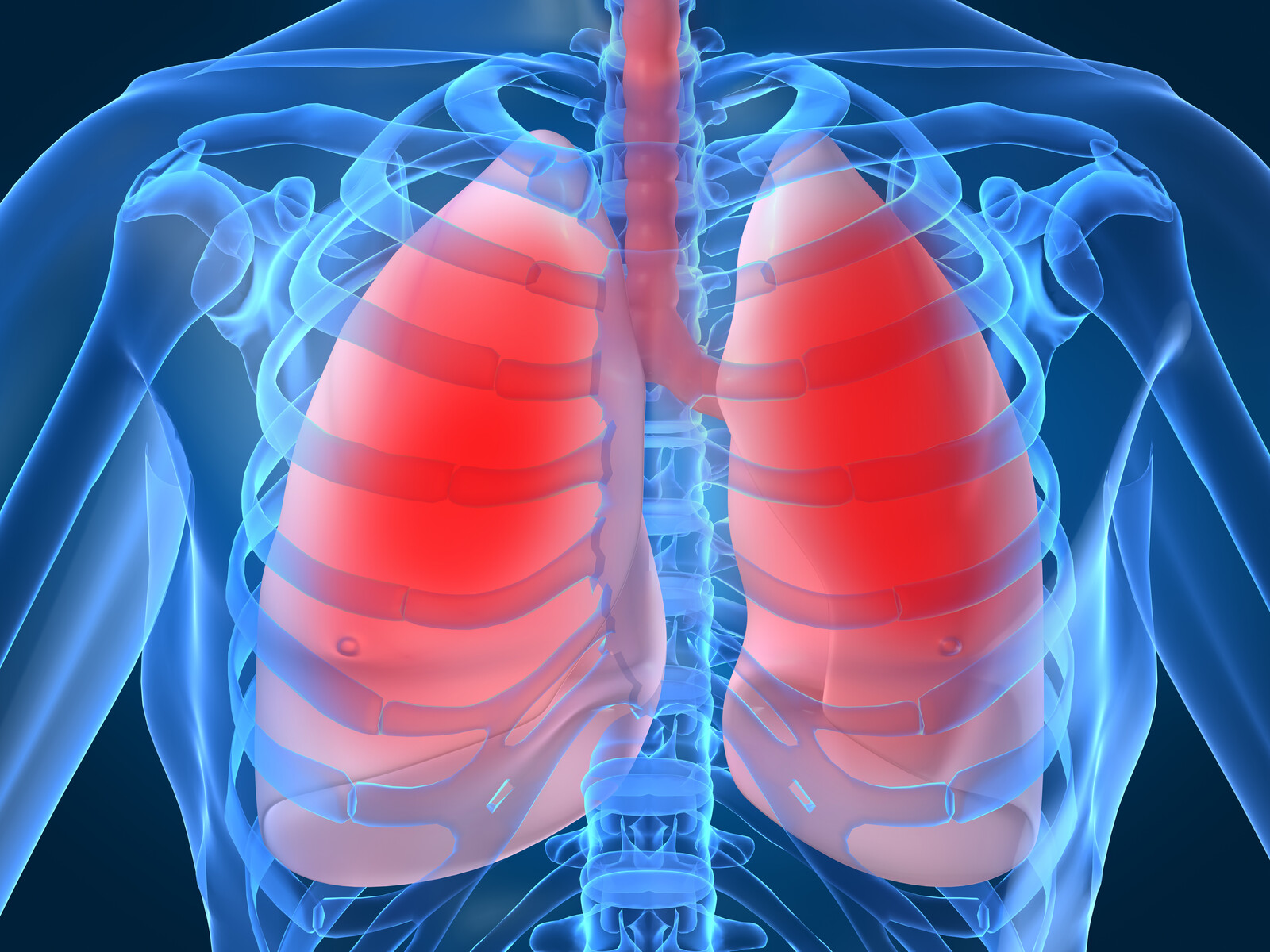
The Center’s Leo Cheng and colleagues reported the study in Proceedings of the National Academy of Sciences.

A new study by the Center’s Phoebe Chan, Kenneth Kwong and colleagues shows that the approach could help improve diagnosis and management of the injury.
The Center’s Or Perlman, Christian Farrar and colleagues reported the findings in Nature Biomedical Engineering.
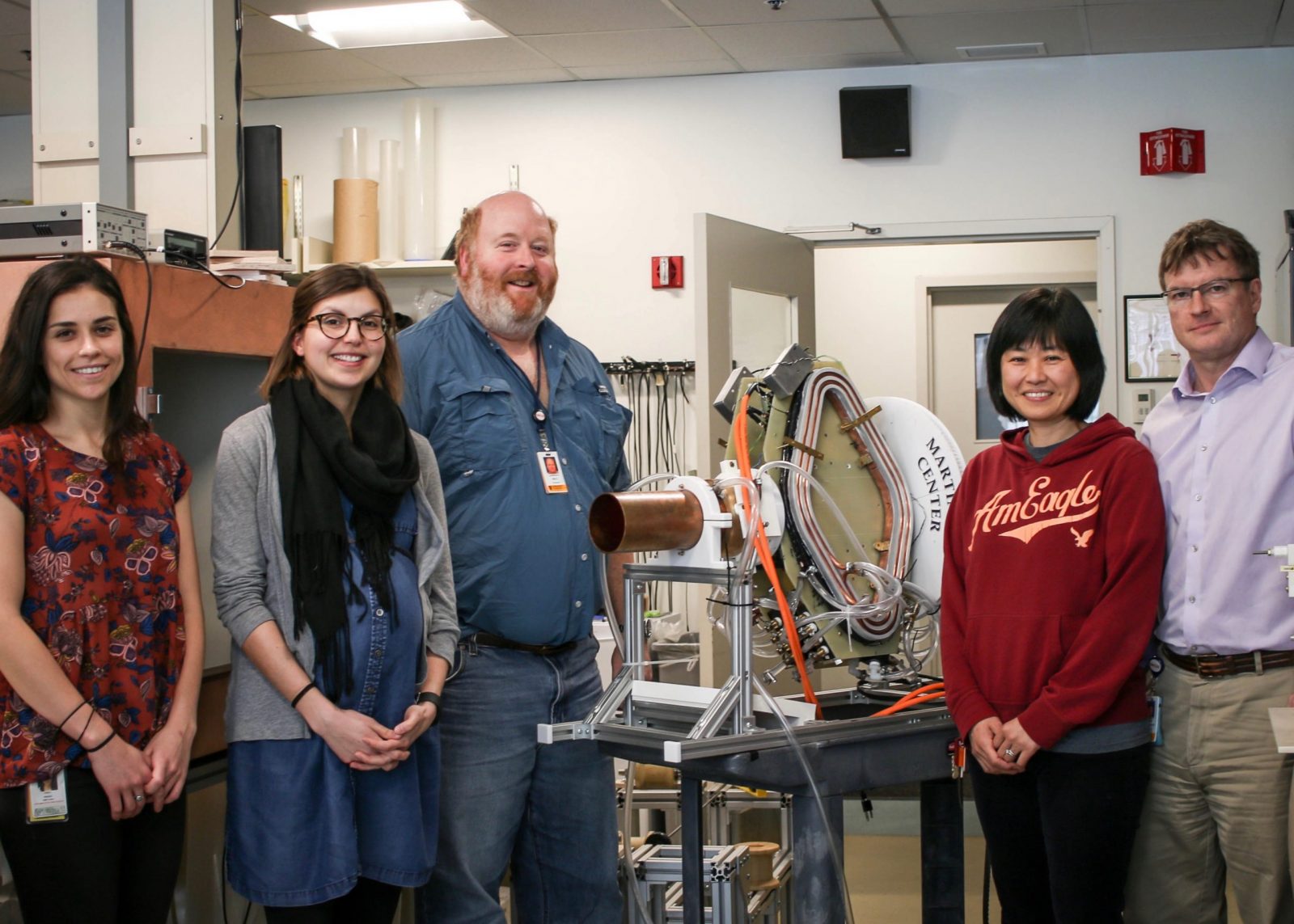
The Center’s Erica Mason, Larry Wald and colleagues have demonstrated the sensitivity of the technique in simulations of breast-conserving surgery.
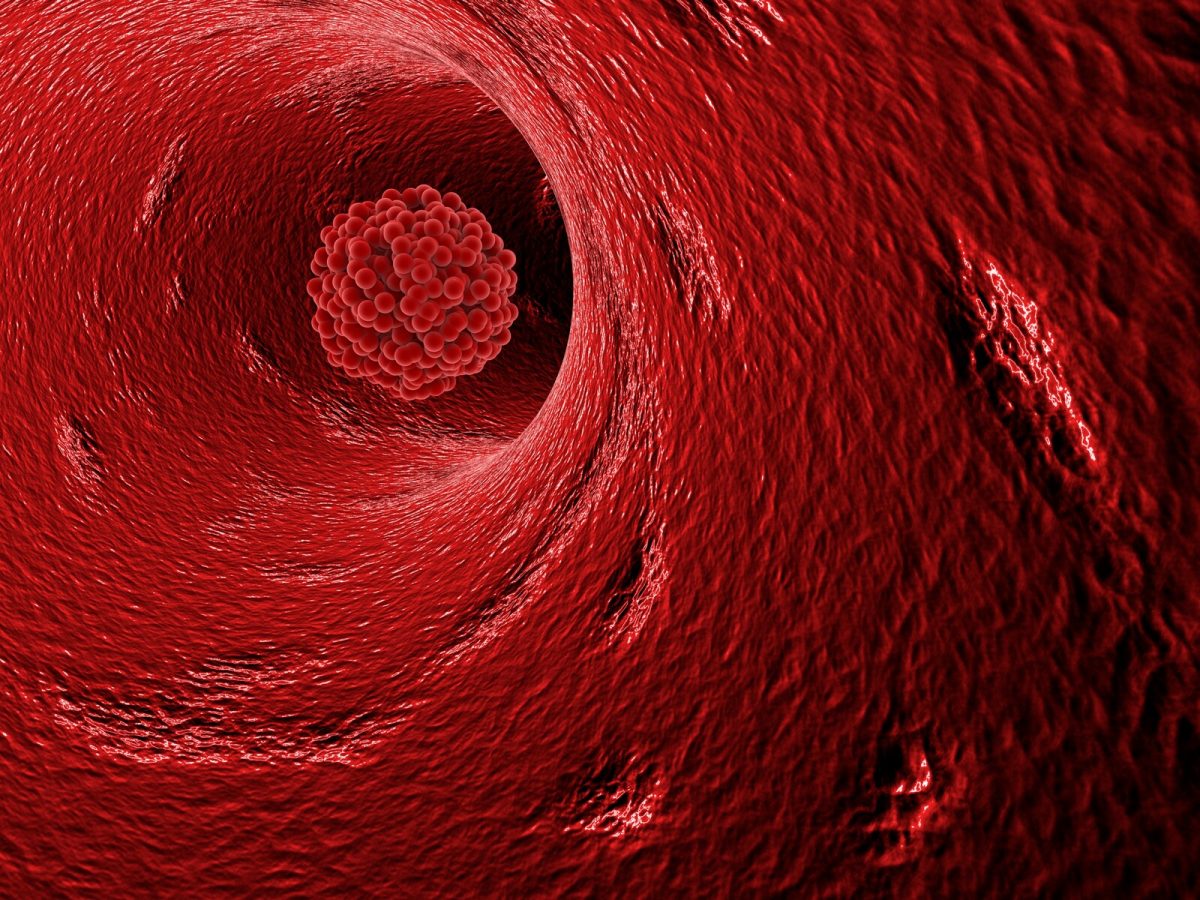
The Center’s David Sosnovik and colleagues have developed and tested a targeted contrast agent that can detect blood clots throughout the body – including in vessels that, when blocked, can lead to stroke.
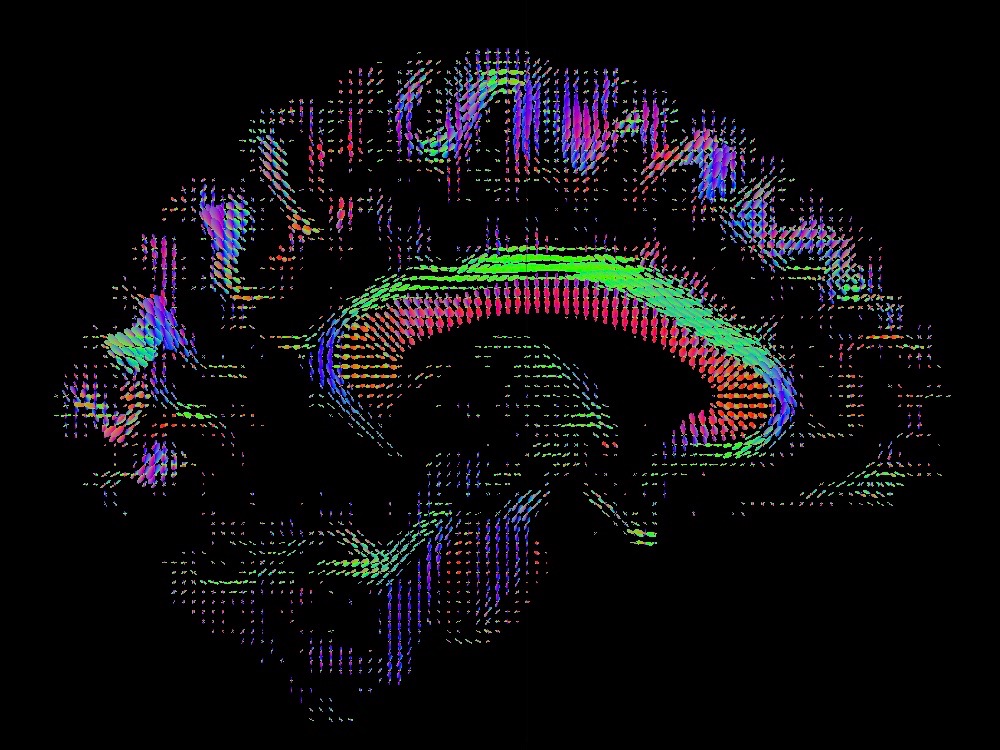
Reported by Fuyixue Wang and colleagues, it is the first publicly available reference dataset acquired in vivo at submillimeter resolution.

Vitaly Napadow, Dan-Mikael Ellingsen and colleagues reported the findings in Pain.
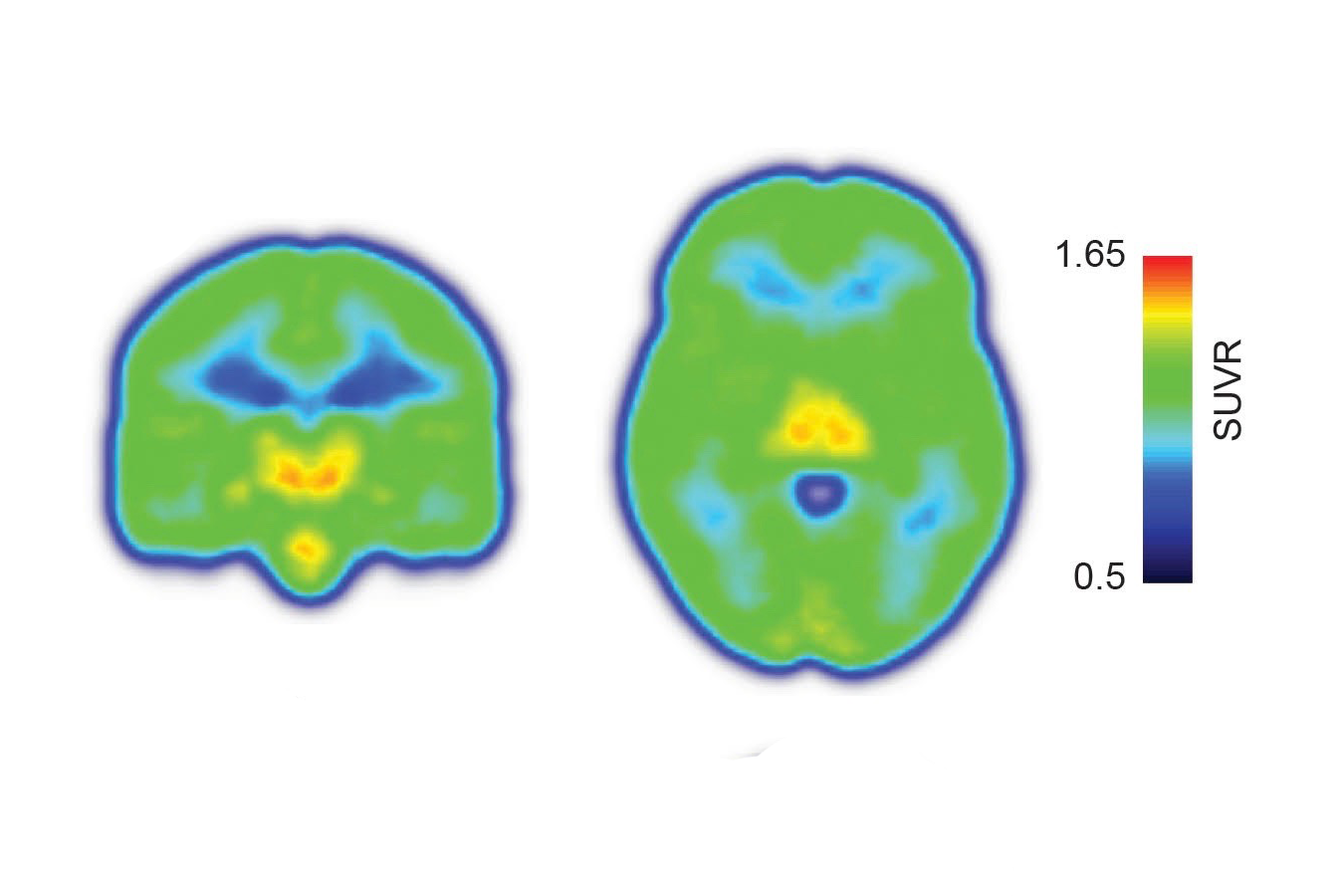
Angel Torrado-Carvajal and Marco L. Loggia and colleagues have reproduced and expanded on earlier work showing that a thalamic neuroinflammation signal on PET/MRI distinguishes patients with chronic low back pain from healthy controls.

Using MEG, the Center’s Fahimeh Mamashli, Tal Kenet and colleagues determined that children with ASD show altered functional connectivity in response to inverted faces.

Jyrki Ahveninen and colleagues recently reviewed the use of movies and stories as stimuli during neuroimaging research into memory attention, language, emotions and social cognition.
Using the novel approach, Vitaly Napadow and his team demonstrated the positive impact of good bedside manner.
Compared with standalone MRI hybrid PET/MRI enabled more accurate evaluation of tumor size N status and external sphincter infiltration in patients with locally advanced rectal cancer.