
Solving Technical Problems in Fetal MRI
The Center’s John Kirsch and colleagues review strategies for optimizing image quality and reducing artifacts during fetal MRI.
The Center’s John Kirsch and colleagues review strategies for optimizing image quality and reducing artifacts during fetal MRI.
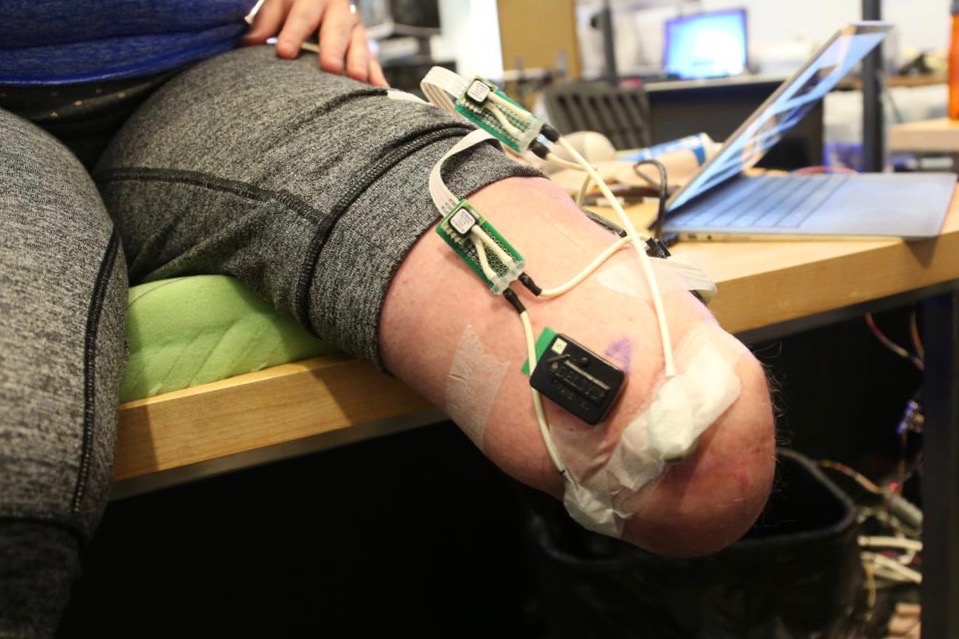
The Center’s Shriya Srinivasan, Robert Barry and colleagues describe the findings in Science Translational Medicine.
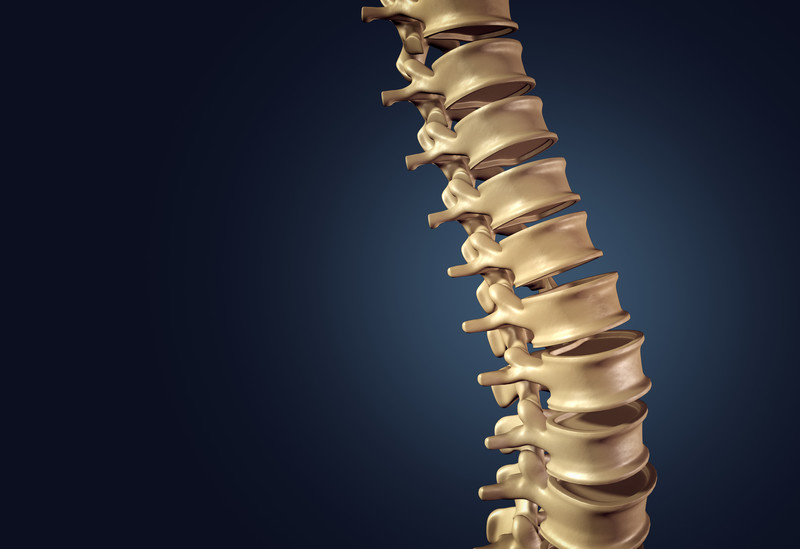
Caterina Mainero and colleagues have become the first to identify in vivo a specific spatial pattern of lesion development in the spinal cord of MS patients in which meningeal inflammation may play a role.
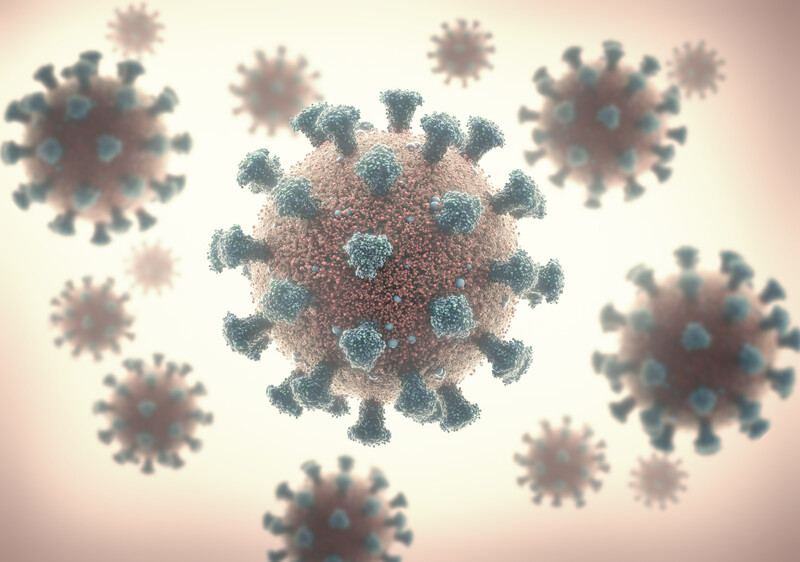
Eva-Maria Ratai and colleagues report finding metabolic disturbances in the brain in one of the first spectroscopic imaging-based studies of neurological injury in COVID-19 patients.

Peter Caravan and colleagues use a novel PET probe to find type I collagen and identify disease activity in pulmonary fibrosis.

Iris Y. Zhou, Onofrio A. Catalano and Peter Caravan review a host of functional and molecular MRI techniques.

Developed by Chongzhao Ran and colleagues, the probe greatly improves the ability to detect amyloid-beta in vitro and in a mouse model of Alzheimer’s disease.

Jian Kong and colleagues have identified and validated a distinctive pattern of abnormal brain connections on functional MRI that discriminates between patients with migraine without aura and healthy controls.
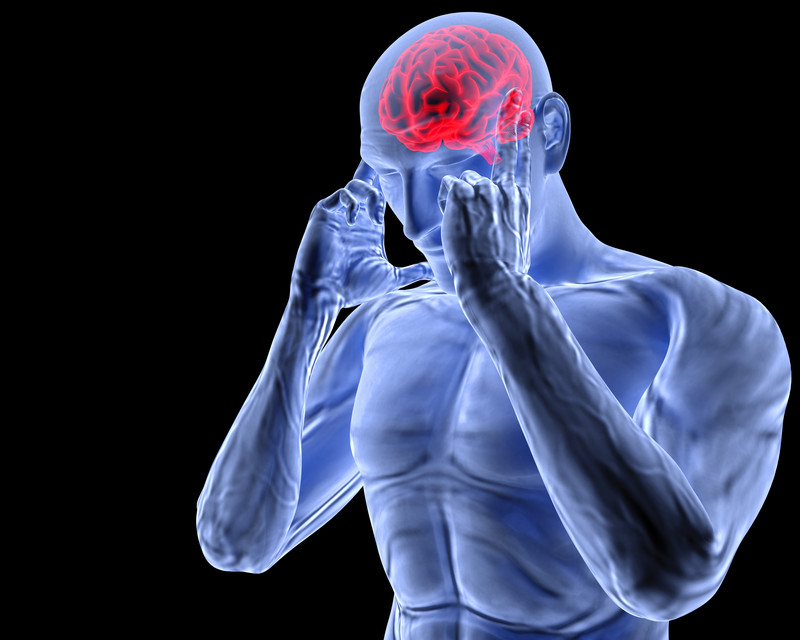
Neuroinflammation in patients with fibromyalgia was assessable noninvasively using proton magnetic resonance spectroscopy and resting-state functional MRI.
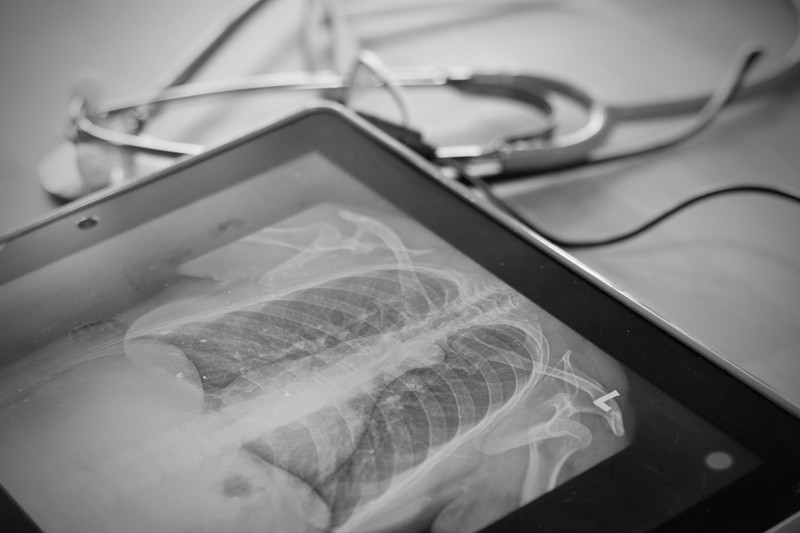
Researchers at Massachusetts General Hospital have developed an artificial intelligence tool to measure disease severity and even predict outcomes in patients with COVID-19.
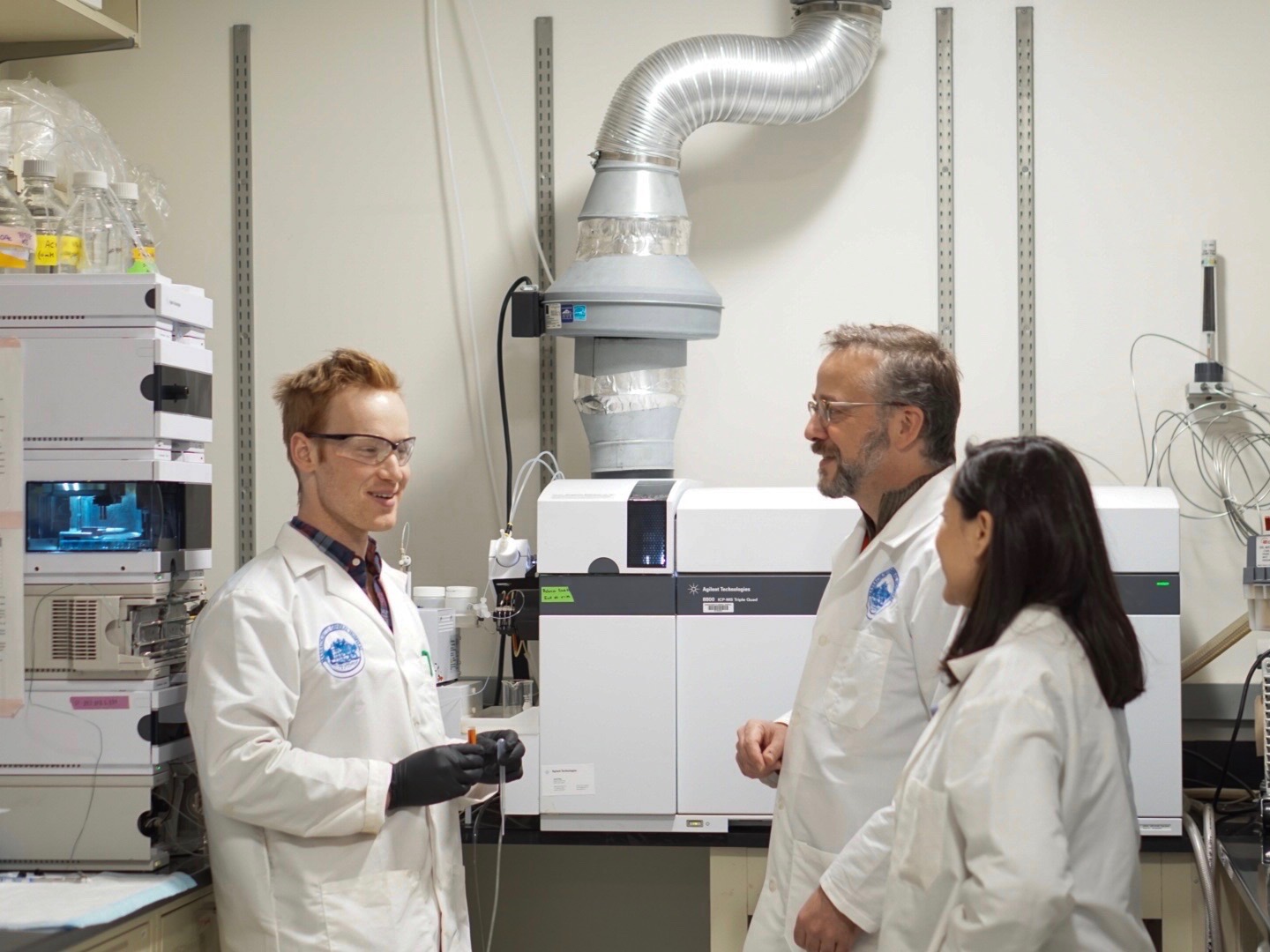
Molecular MRI was more accurate than the current state of the art both in detecting disease earlier in an animal model of nonalcoholic steatohepatitis and in monitoring treatment response.
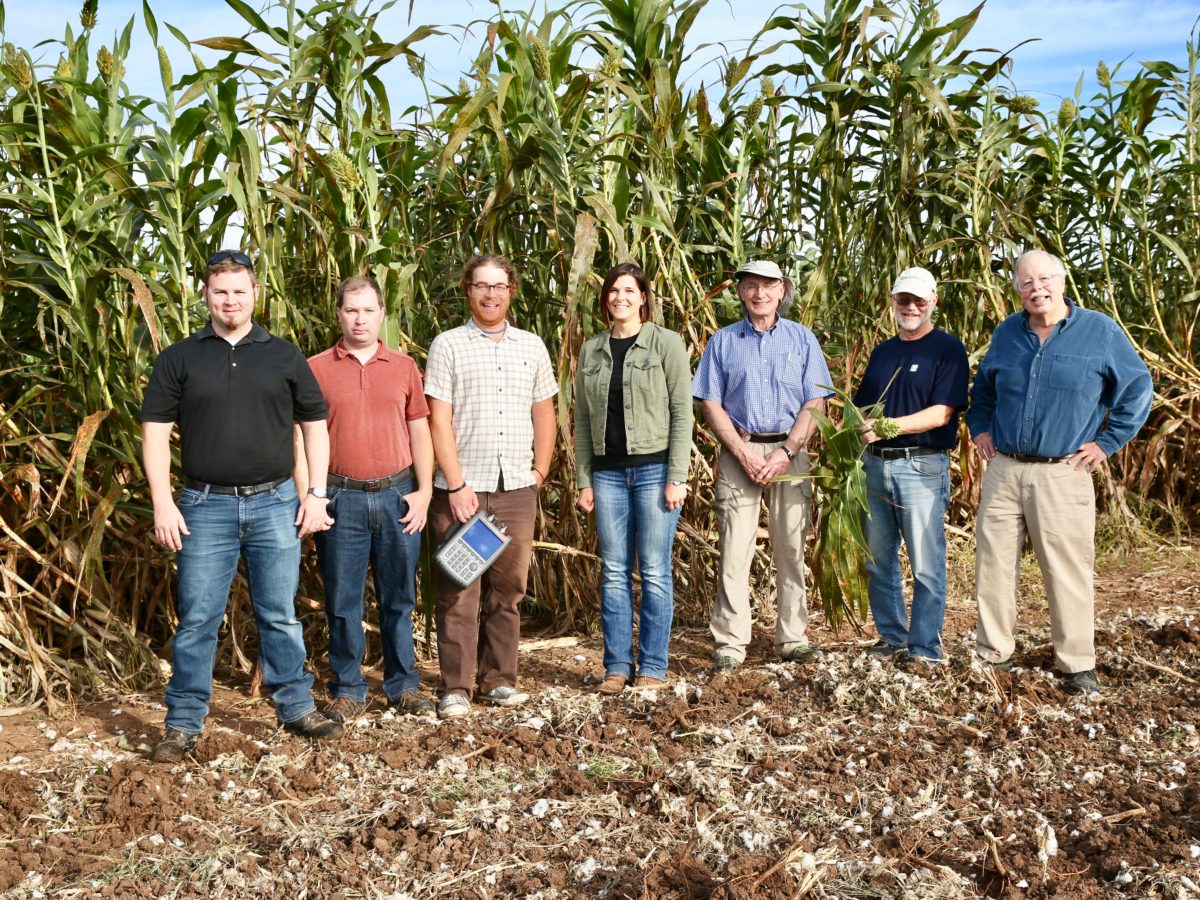
The researchers have developed low-field MRI technology to help address previously insoluble puzzles of the botanical realm.
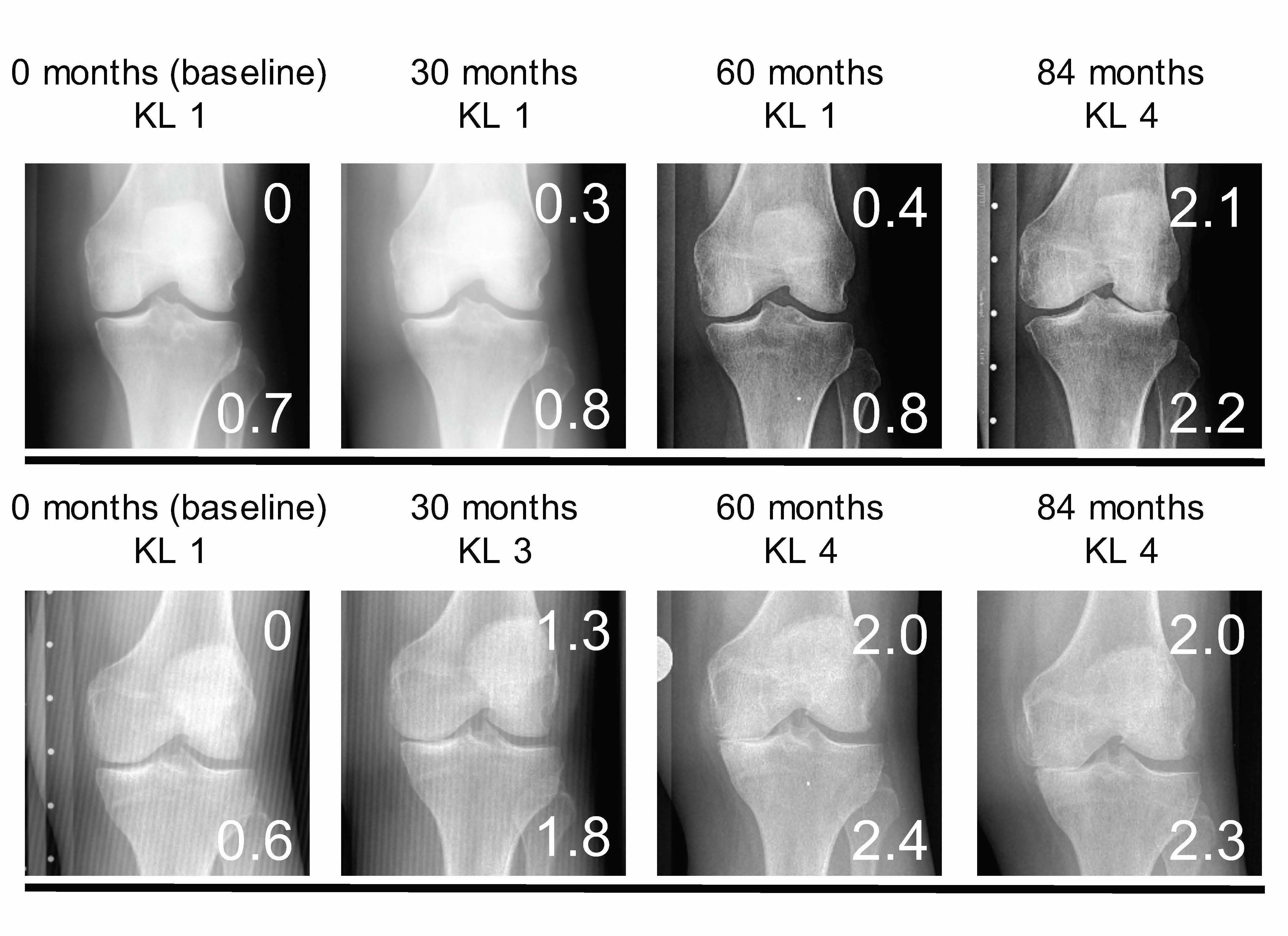
The algorithm can aid in the management of a range of diseases, including retinopathy of prematurity and knee osteoarthritis among others.
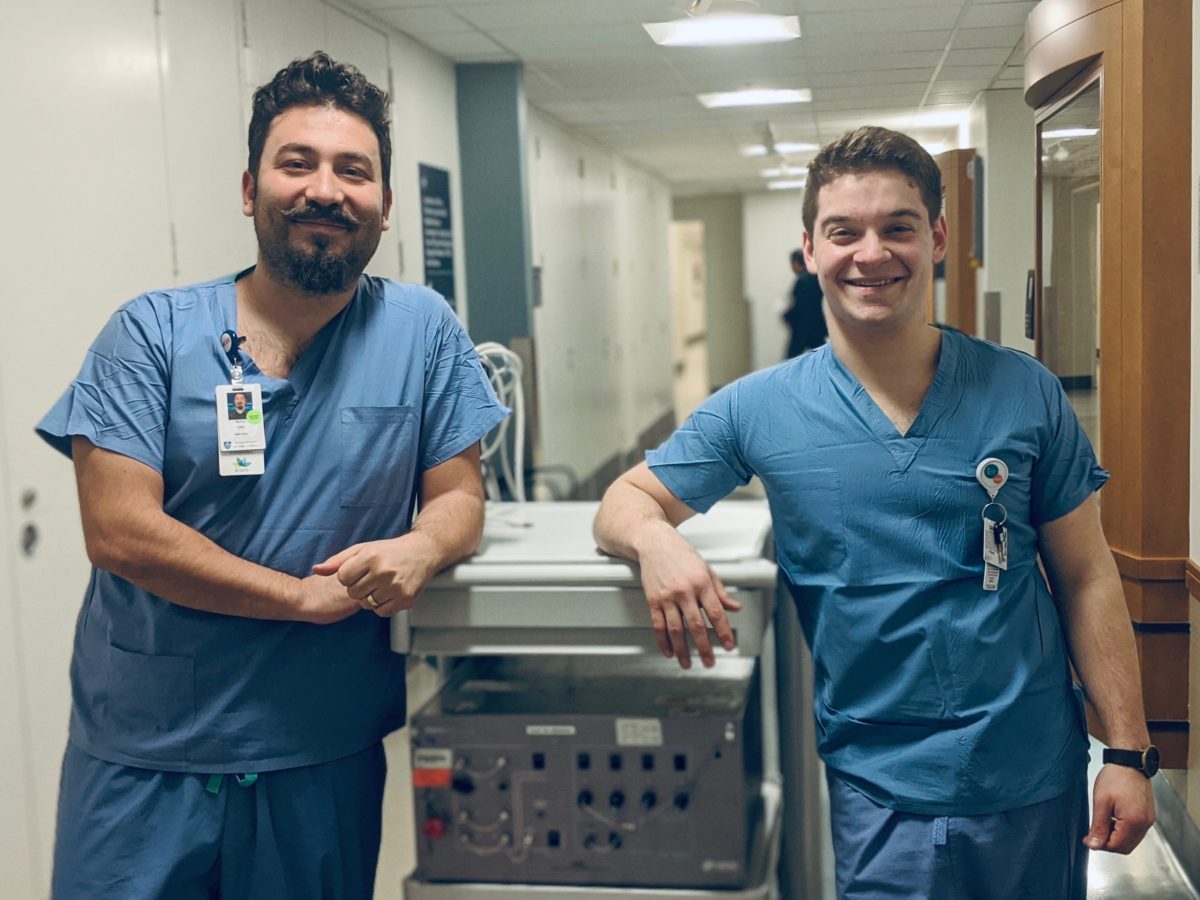
Center researchers have developed a hybrid device for use during aortic arch replacement and other surgeries.
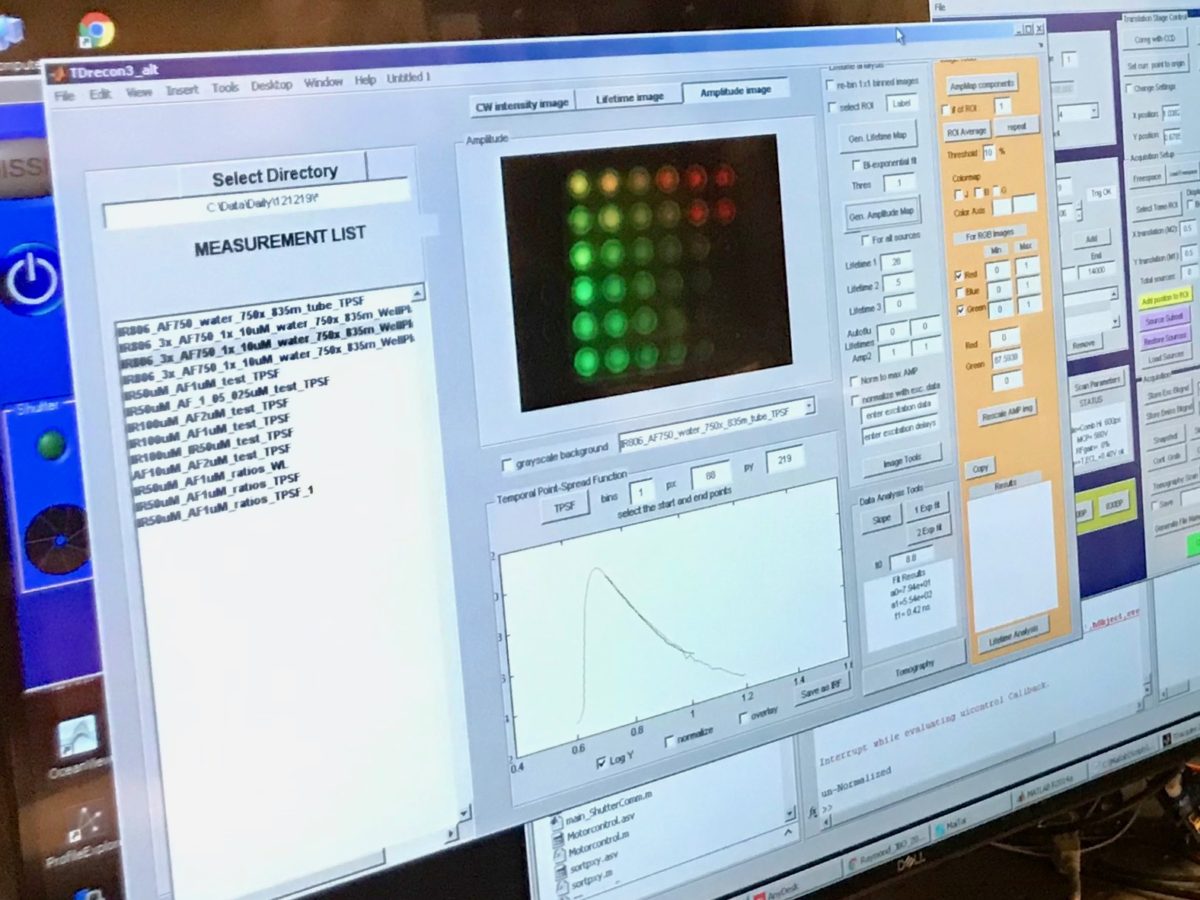
The Center’s Rahul Pal and Anand T.N. Kumar reported the innovative approach in a recent issue of Clinical Cancer Research.
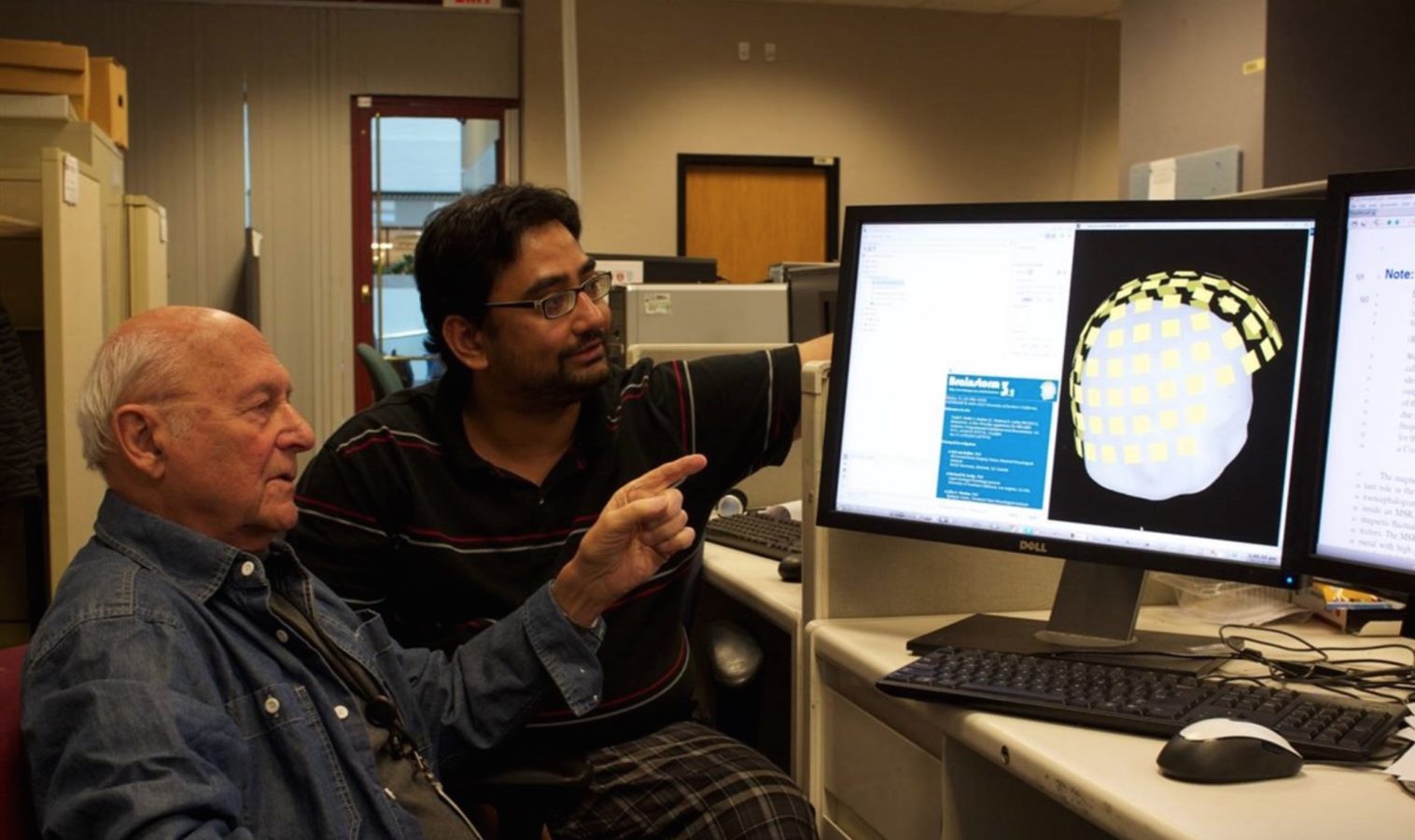
The Center’s Sheraz Khan and David Cohen describe the method in the journal Scientific Reports.
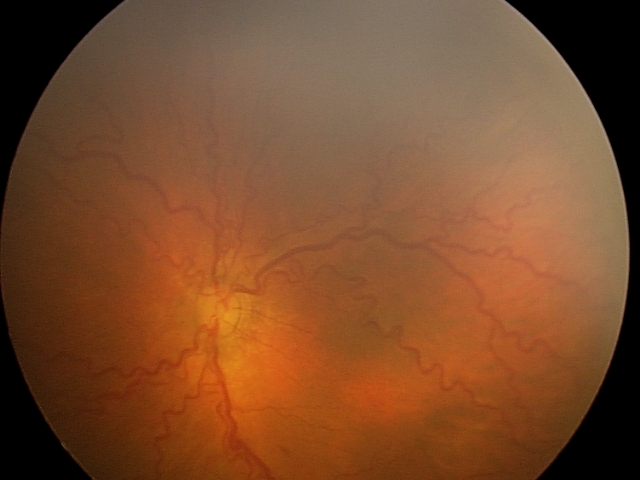
Recent research also highlights the possibility of identifying infants at high risk for developing ROP.
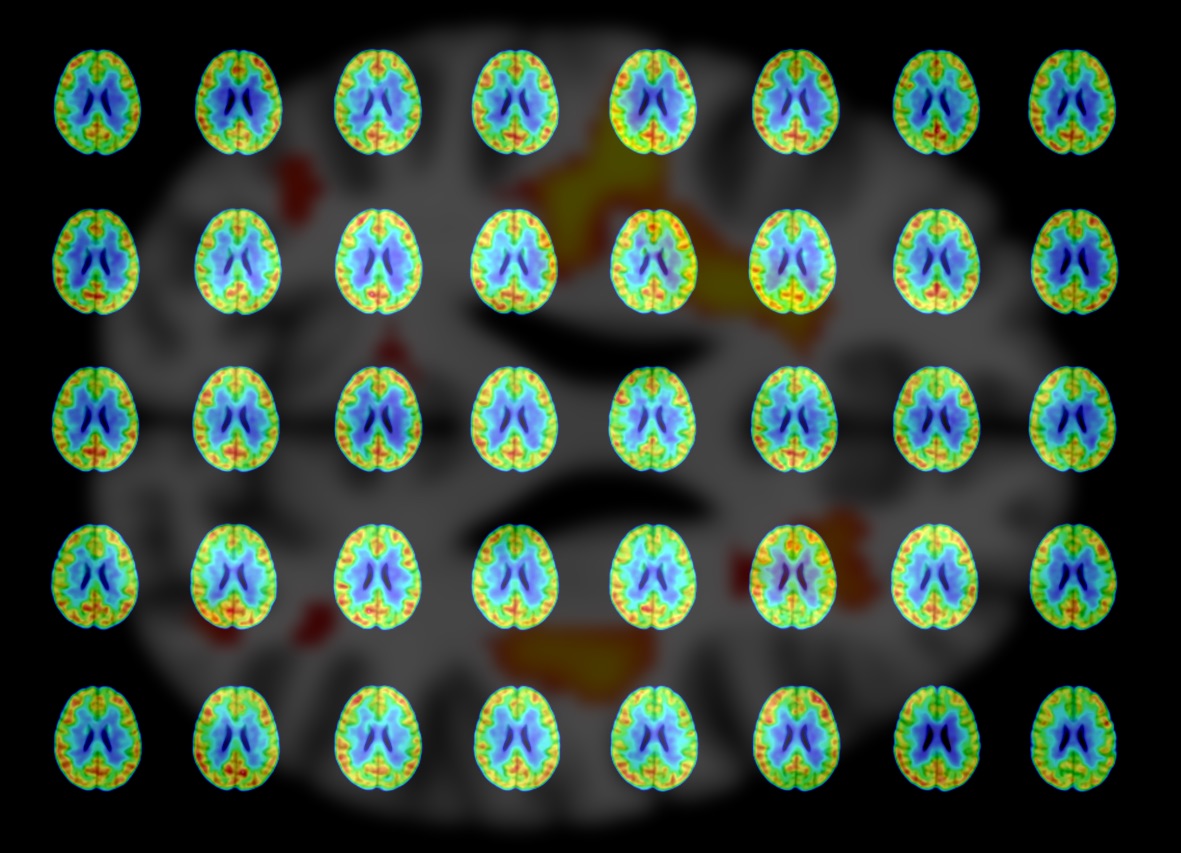
A study published today suggests that HDAC expression and the resulting transcriptional changes may be a significant driver of human neurobiology.
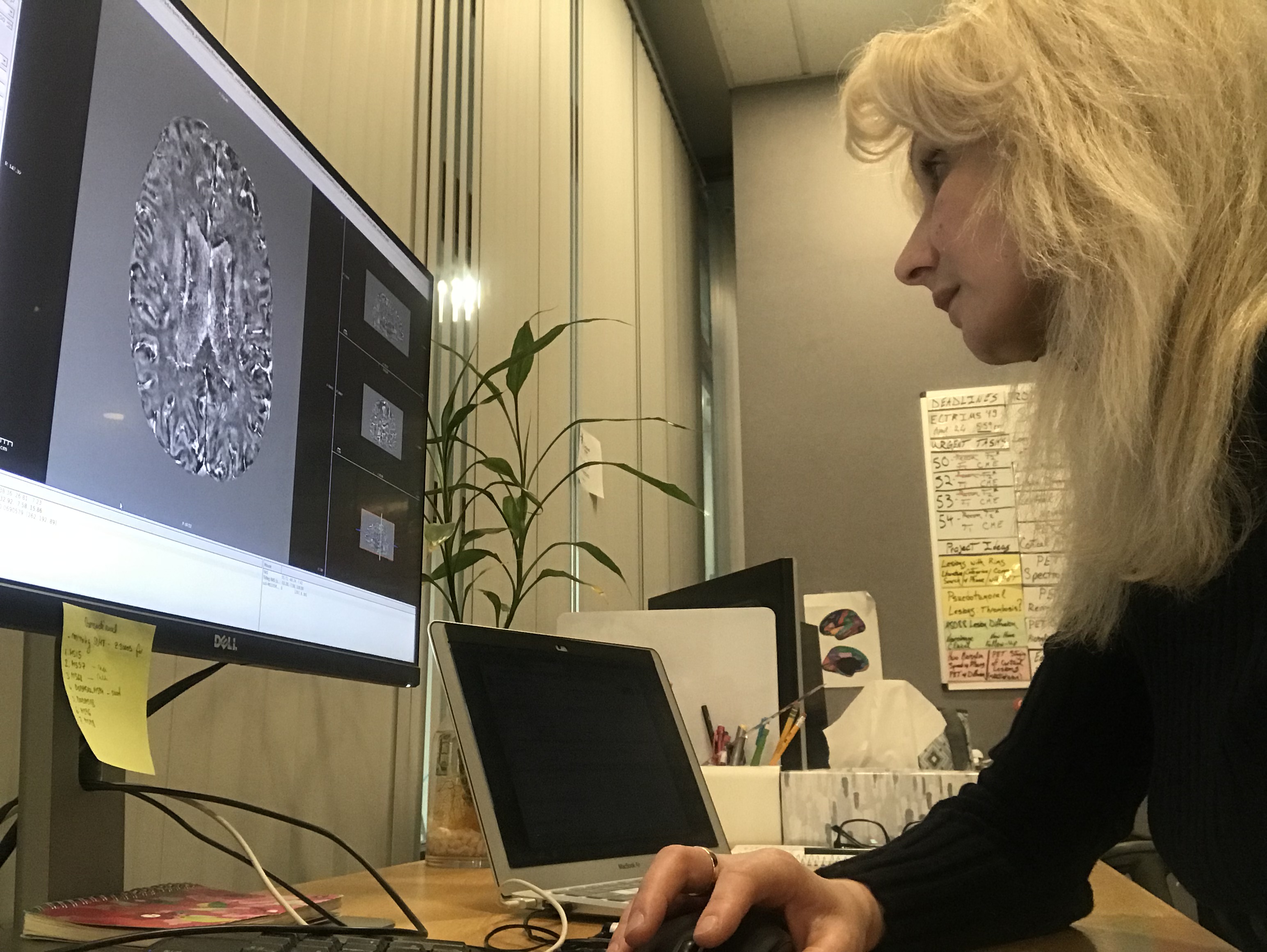
Constantina A. Treaba, Caterina Mainero and colleagues report their findings in a paper appearing in the journal Radiology.
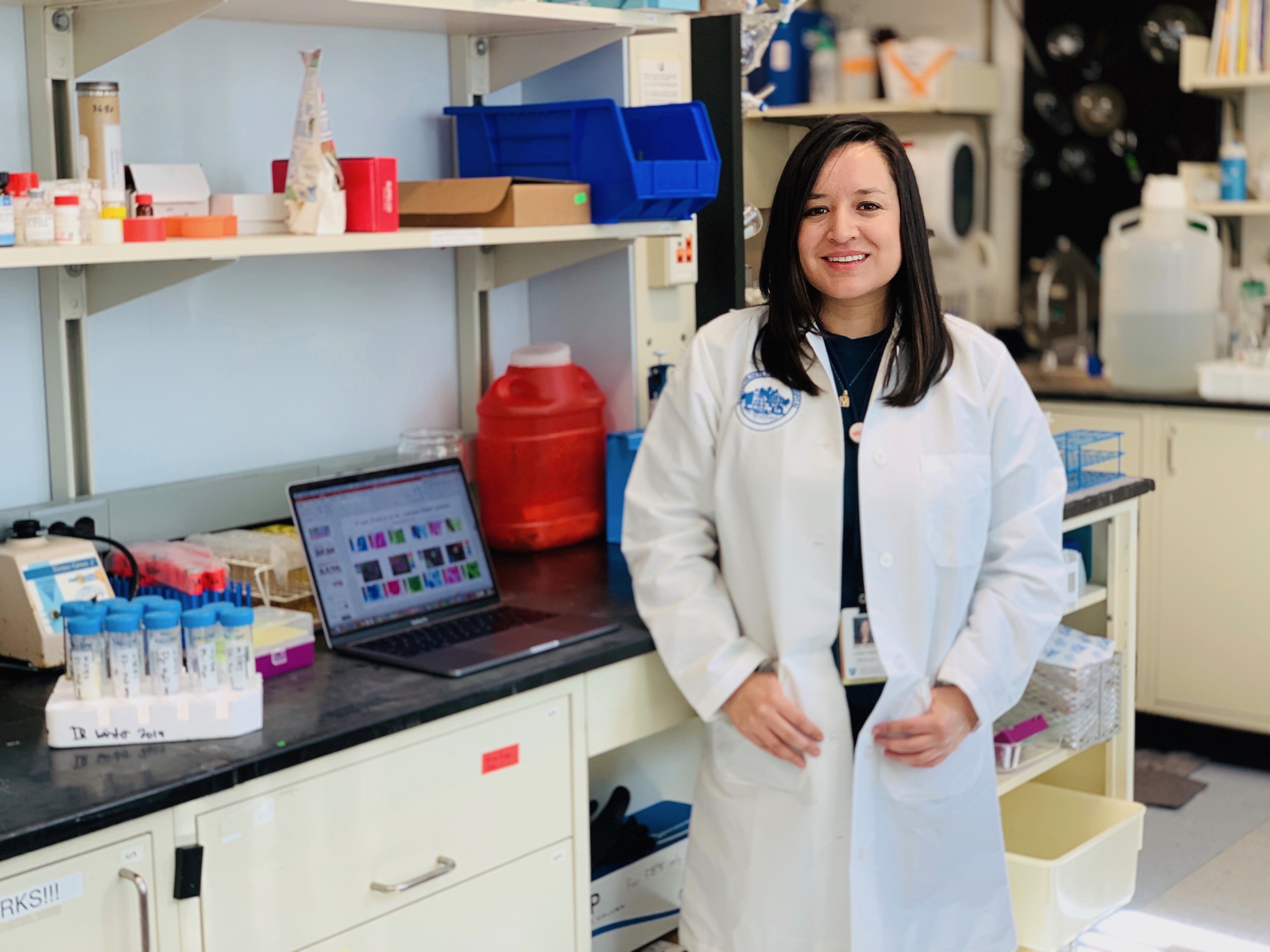
She is developing molecular MR imaging techniques to diagnose and monitor response to treatment in a range of diseases.