
Early Screening of ASD With a New Eye-tracking Paradigm
The paradigm, developed by the Center’s June Kong and colleagues, could greatly reduce the possibility of bias in traditional evaluations of ASD.
The paradigm, developed by the Center’s June Kong and colleagues, could greatly reduce the possibility of bias in traditional evaluations of ASD.
Lisa Feldman Barrett explores the history of the amygdala and fear in a new paper.
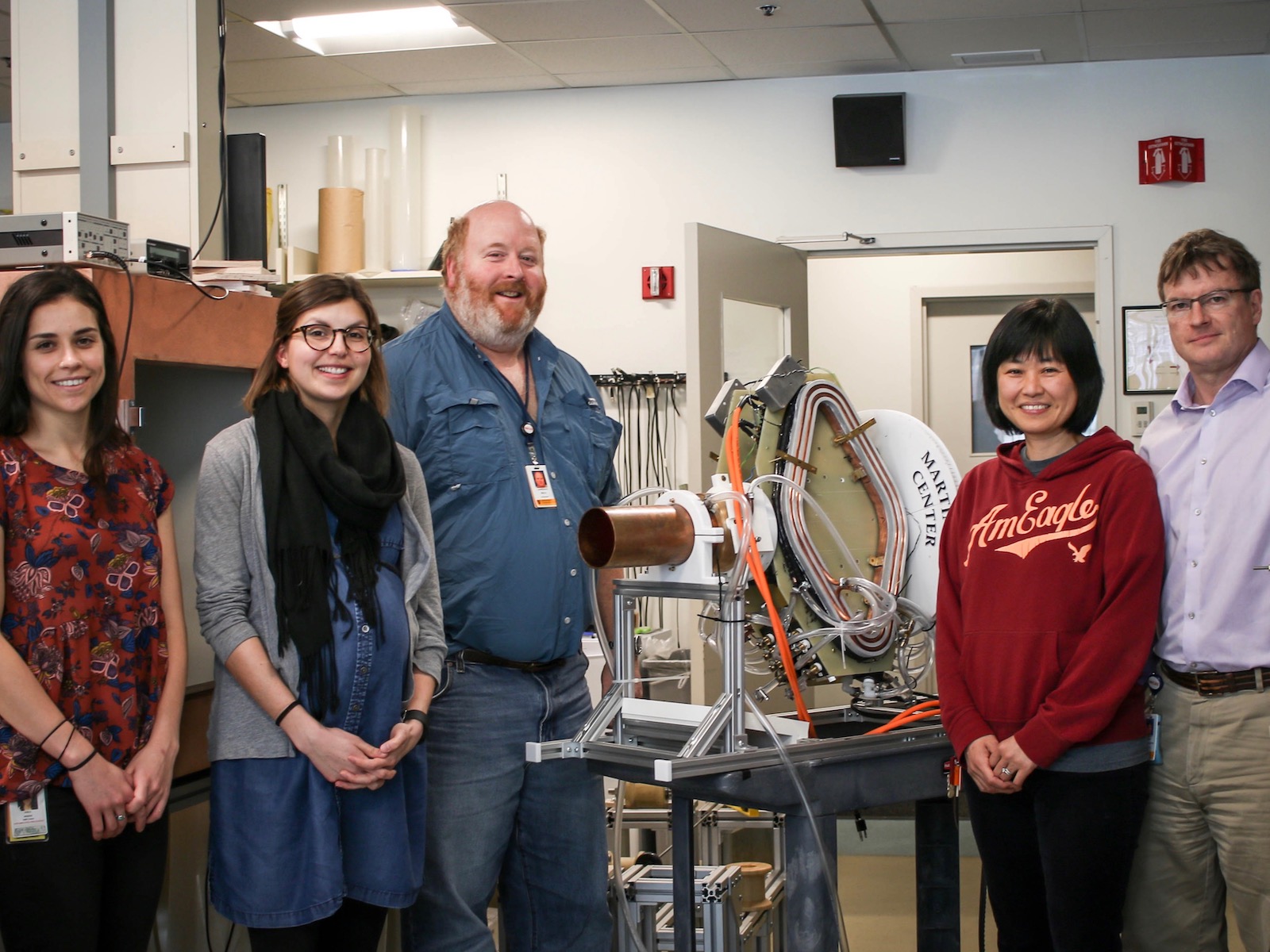
The Center’s Larry Wald talks Magnetic Particle Imaging and his latest BRAIN Initiative grant.
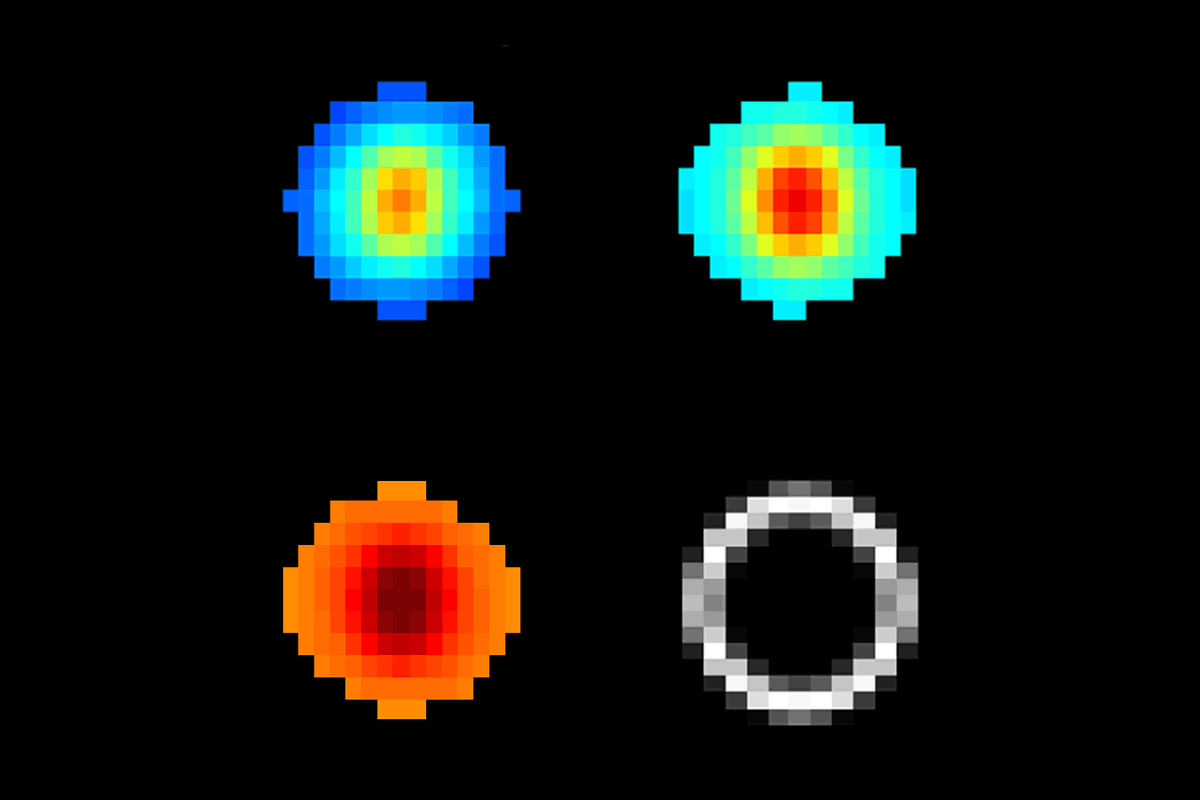
Anand Kumar and colleagues describe the new technique in the journal Optica.
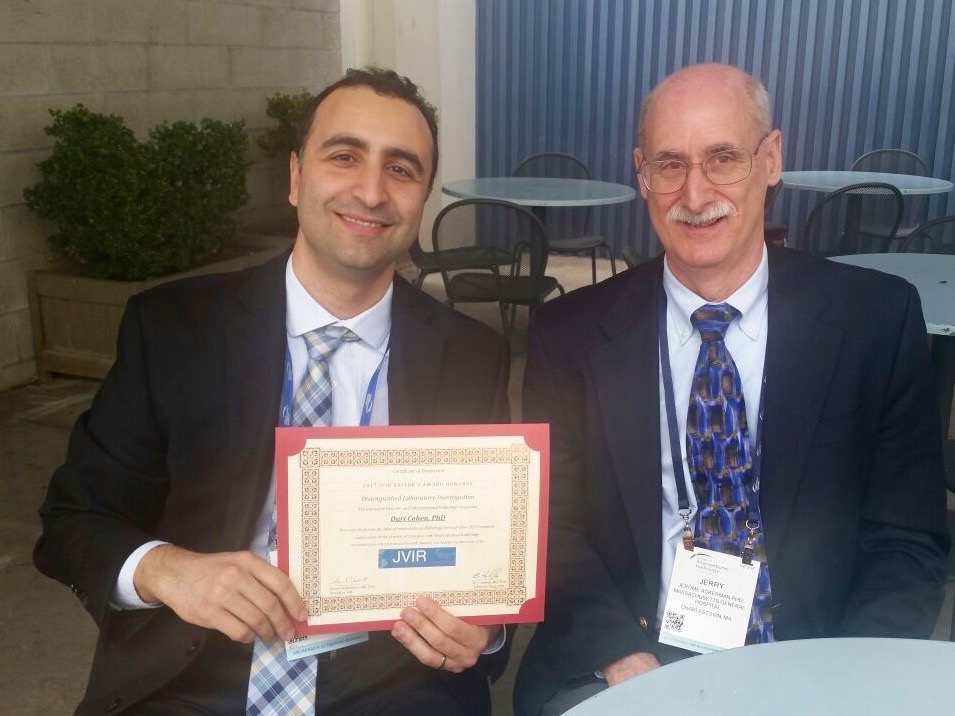
Jerry Ackerman (right), Ouri Cohen and colleagues have developed a technique that adds therapeutic capabilities to magnetic resonance imaging.
The Center’s Rob Barry and colleagues describe the new approach in the journal Brain.
Emily Lindemer and the Brain Aging and Dementia Lab reported the findings in the journal Neurology.
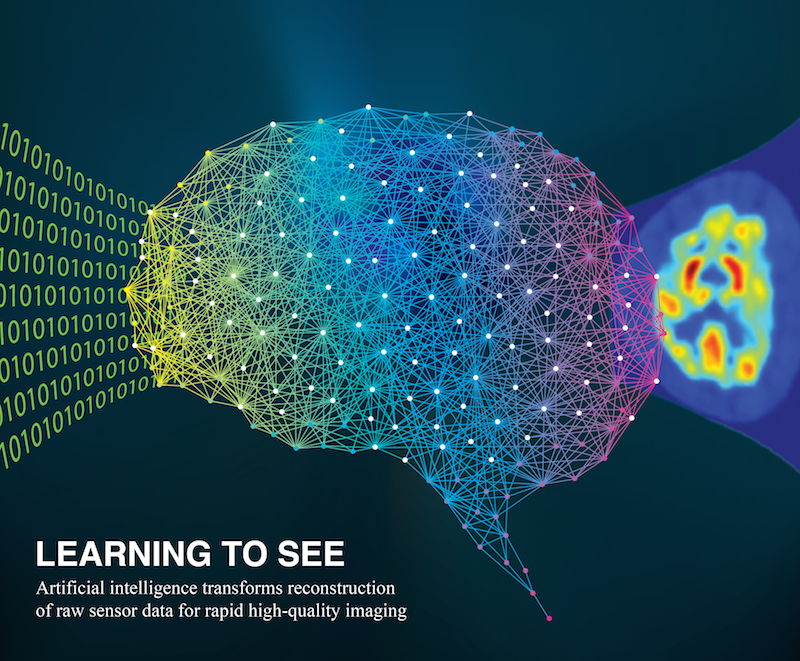
The technique yields higher quality images from less data, reducing radiation doses for CT and PET and shortening scan times for MRI.
The newly published research draws on data from the Harvard Aging Brain Study.
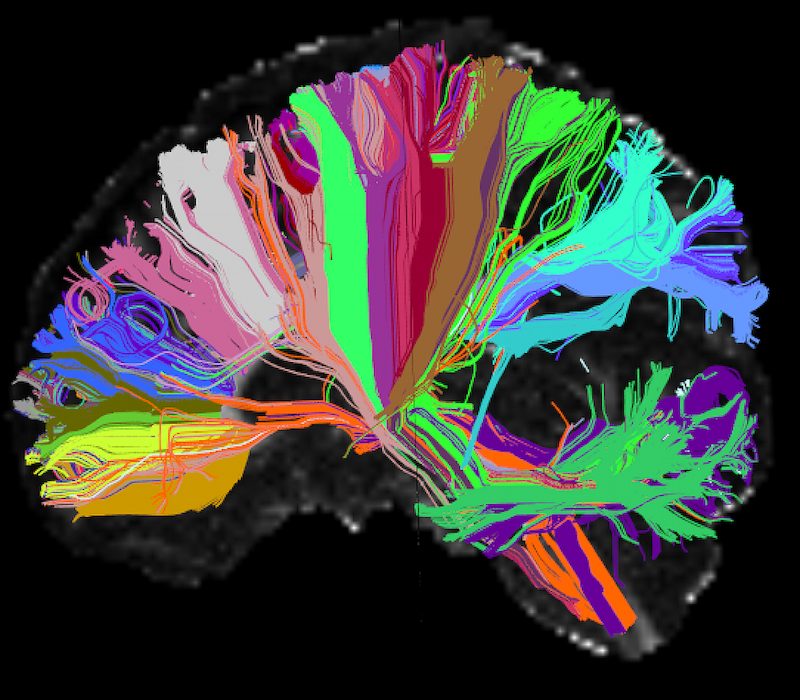
An ongoing study by Anastasia Yendiki and colleagues is yielding important new insights into the disorders.
A new imaging probe was inspired by the chemistry of the novelty light source.
In recent years researchers have gained an increased understanding of the relationship between motor skills and the development of language, particularly in autism spectrum disorder (ASD). Given the core deficit in verbal communication in children… How iPads and Other Tablet Devices Could Improve Communication Skills in People With Autism
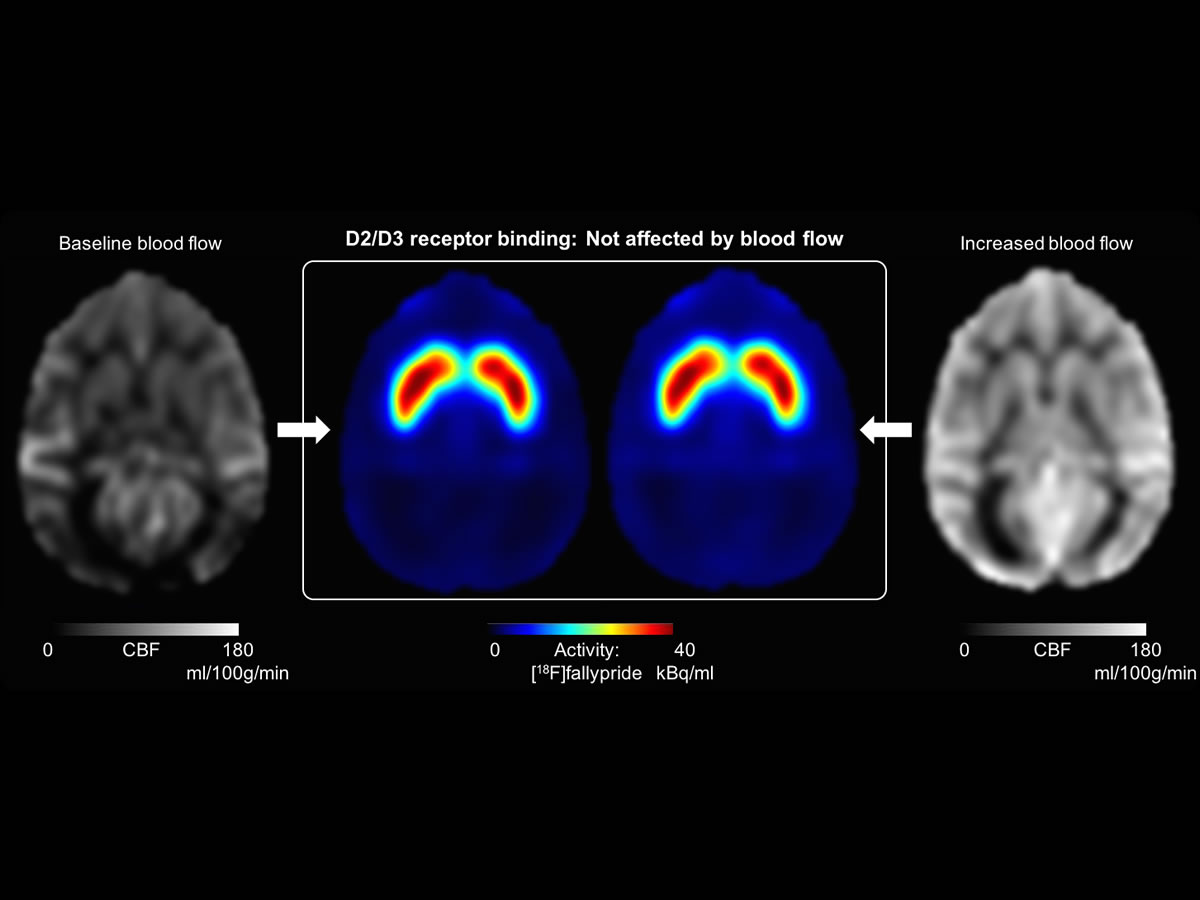
The Martinos Center’s Christin Sander and colleagues reported the finding last month.

Researchers are using advanced optical imaging technology to study the relationship between the two.
Using fMRI and EEG, Martinos Center researchers found evidence of consciousness in patients who cannot otherwise respond to commands.
The Martinos Center’s Nouchine Hadjikhani and colleagues shed light on the underlying reasons for the behavior. Hint: It’s not about social indifference.
Use of nanodiamonds with ultra-low-field MRI suggests a range of diagnostic and therapeutic applications.
A study of the brain mechanisms associated with the regulation of personal space has led to deeper understandings of social dysfunction in schizophrenia – and pointed toward possible new treatments.
Pauline Désogère and colleagues described the probe in a Science Translational Medicine paper published online today.
A study validating the software – called Causative Classification of Stroke (CCS) – was published online in JAMA Neurology.