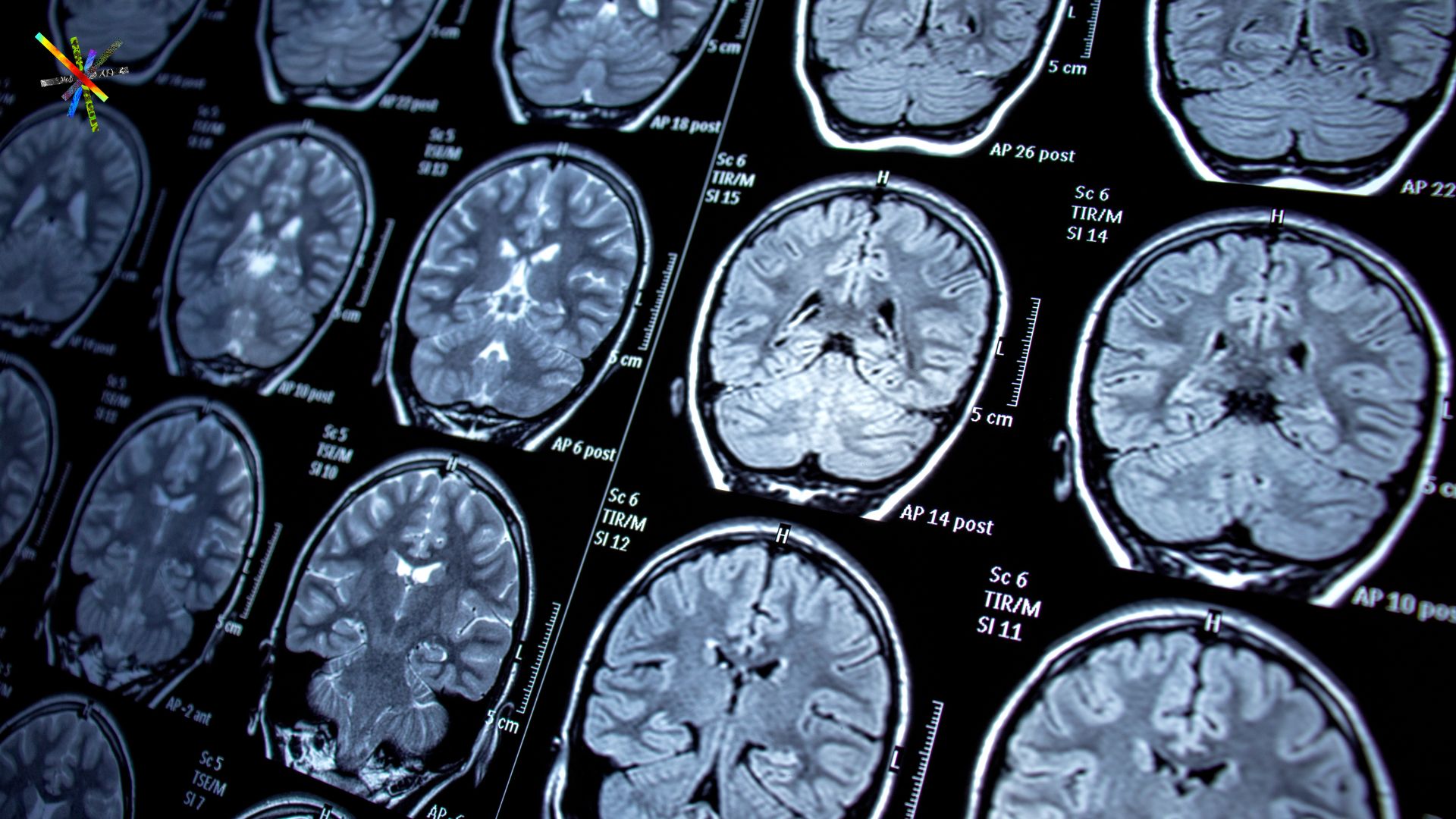
Researchers at the Martinos Center are advancing MRI acquisition technologies to map human brain structure and function with significantly enhanced capability—delivering high image fidelity, richer information content, and unprecedented spatial resolution (from standard to mesoscopic scale). Through the development of Echo Planar Time-resolved Imaging (EPTI)—a next-generation MRI acquisition that introduces novel data encoding and image formation methods to overcome major limitations of conventional methods—Fuyixue Wang, Zijing Dong and colleagues have demonstrated major gains in sensitivity and specificity for probing human brain organization.
In parallel, the team is driving the transition of these methodological innovations into a widely accessible community resource. Through close collaboration with research groups and technology partners worldwide, and with support from the BRAIN Initiative U24 program, these efforts focus on enabling broad adoption of EPTI across sites and scanner platforms. To this end, the researchers are disseminating pulse sequences and reconstruction tools, establishing user-friendly workflows, and enabling multi-site, multi-vendor deployment. By lowering technical barriers and unlocking new applications across neuroimaging domains, the group aims to maximize scientific and clinical impact and accelerate innovation across the neuroimaging community.
Learn more at the EPTI dissemination website.
