Search Results for: PET

Generating PET Images — Without the Radiation
PET scans can reveal inflammation in the brain, but they’re costly and require injecting a small amount of radioactive material. In a new study, Marco Loggia and colleagues developed an artificial intelligence system that can create “synthetic”… Generating PET Images — Without the Radiation
BrainMap: Improving sensitivity in detecting subtle deficits in Alzheimer’s disease: PET radioligands in vivo kinetics and digital cognitive assessments
Zoom link: https://zoom.us/j/153319823
BrainMap: Multi-parametric Multi-modality Molecular Imaging Using PET/MR
Zoom link: https://zoom.us/j/153319823
BrainMap: Design and Evaluation of a BrainPET Insert for UHF-MR Systems and Metabolic Marker Imaging Exploiting OEF Measures
Zoom link: https://zoom.us/j/153319823
BrainMap: Receptor-based functional PET: detection, interpretation, analysis
Zoom link: https://zoom.us/j/153319823
BrainMap: Fun with functional PET-FDG imaging and multi-modal fusion
Zoom link: https://zoom.us/j/153319823
BrainMap: Parkinson’s disease motor severity associated with synaptic density and dopamine transporter PET
Zoom link: https://zoom.us/j/153319823
BrainMap: Imaging Neuroinflammation and Metabolic Alterations using Hyperpolarized 13C MRI and PET imaging
Zoom link: https://zoom.us/j/153319823
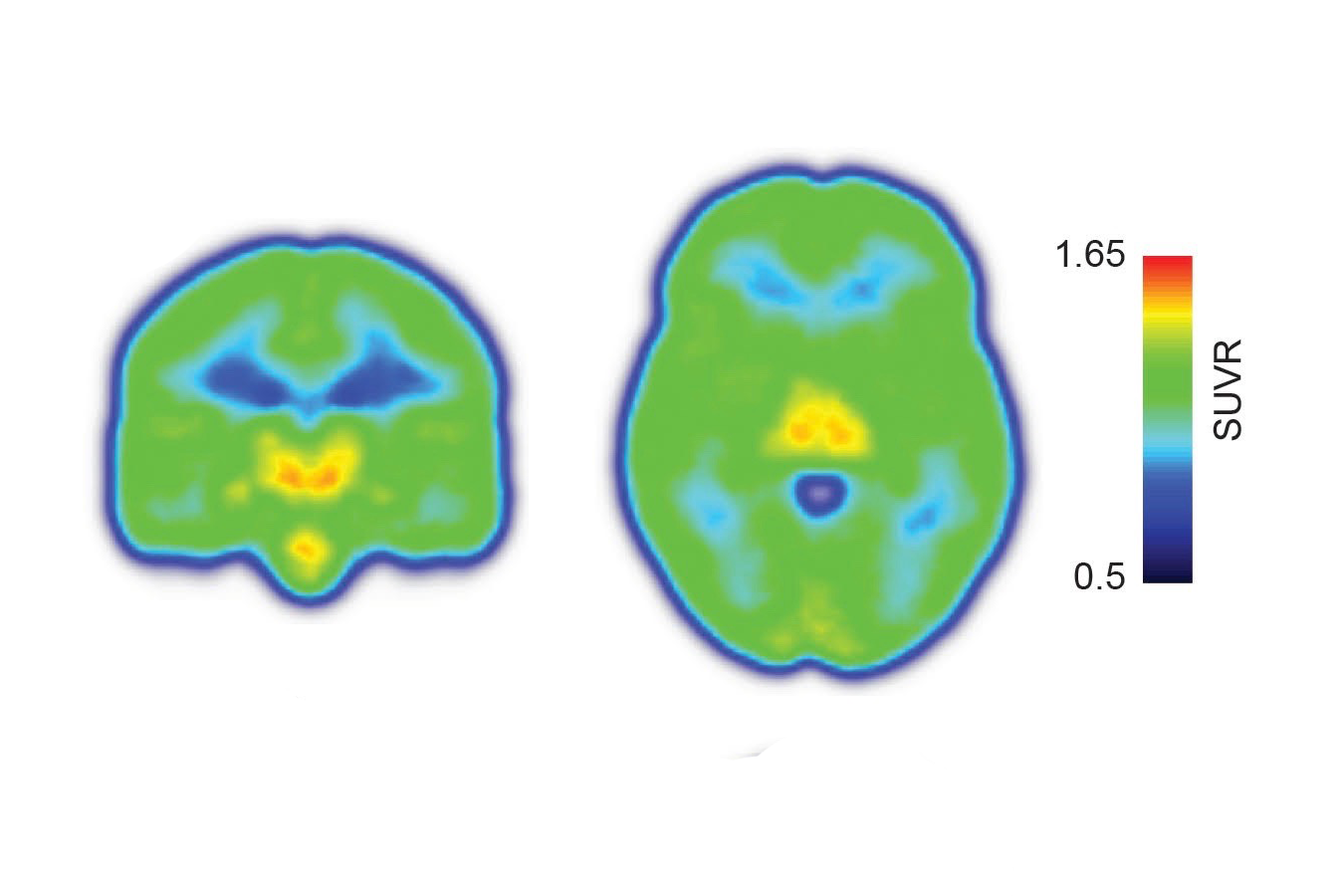
PET/MRI Reproducibly Discriminates between Individuals with and without Chronic Low Back Pain
Angel Torrado-Carvajal and Marco L. Loggia and colleagues have reproduced and expanded on earlier work showing that a thalamic neuroinflammation signal on PET/MRI distinguishes patients with chronic low back pain from healthy controls.
PET/MRI Superior to MRI Alone for Staging of Rectal Cancer
Compared with standalone MRI hybrid PET/MRI enabled more accurate evaluation of tumor size N status and external sphincter infiltration in patients with locally advanced rectal cancer.
Why & How: Development and Applications of Molecular Probes for PET and MRI
Zoom link: https://zoom.us/j/95325814992
Why & How Seminar: Development and Applications of Molecular Probes for PET and MRI
Changning Wang & Veronica Clavijo Jordan – The Martinos Center When: Apr 30, 2020 05:00 PM Eastern Time (US and Canada) Every week on Thu, until Dec 31, 2020, 36 occurrence(s) … Why & How Seminar: Development and Applications of Molecular Probes for PET and MRI

Peter Caravan Promoted to Full Professor
Caravan’s contributions have also been recognized with two recent awards.

Peter Caravan and Kenneth Kwong Named ISMRM Fellows
The honor recognizes the significant role each has played in shaping the field of magnetic resonance in medicine.

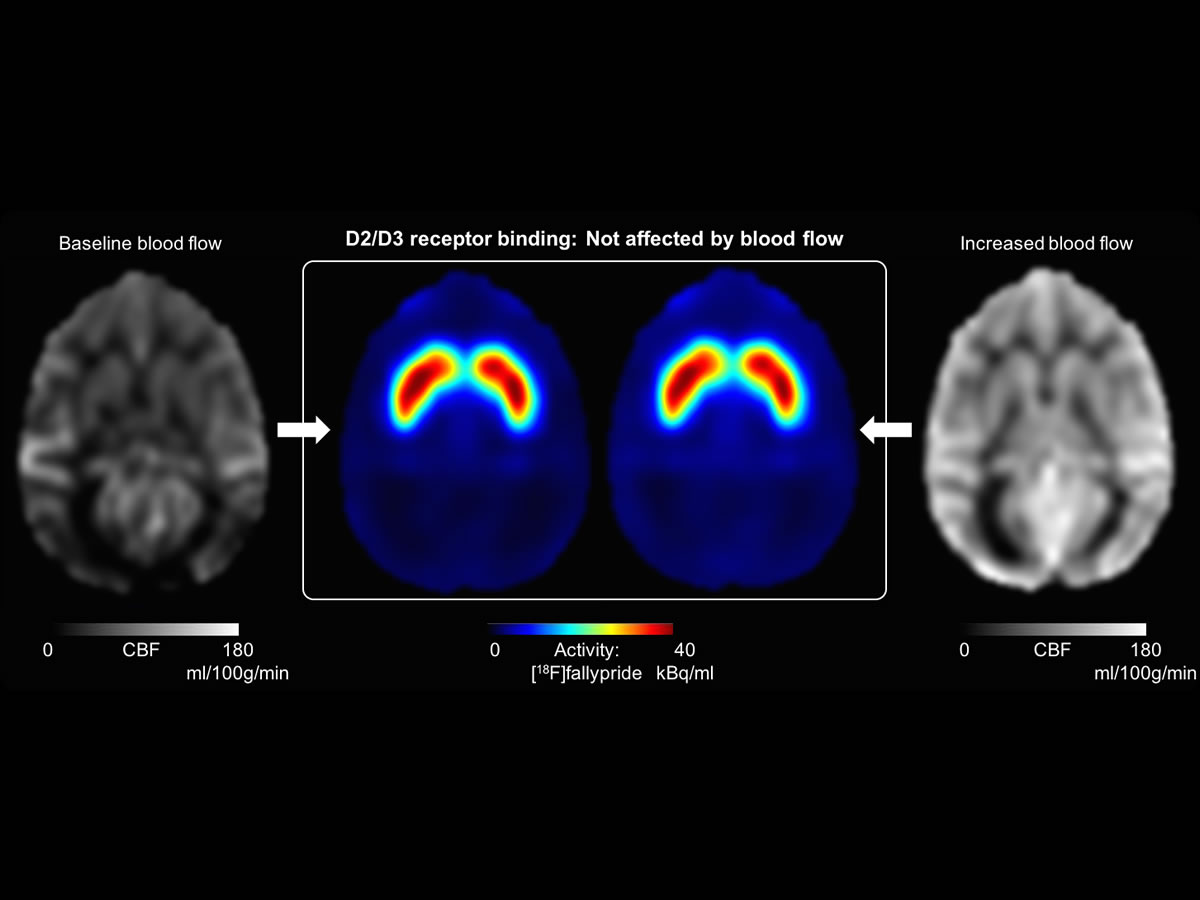
Good News for PET Researchers: Radiotracer binding Is less sensitive to blood flow than previously thought
The Martinos Center’s Christin Sander and colleagues reported the finding last month.
With New PET Probe, Researchers Image Fibrosis of the Lungs
Pauline Désogère and colleagues described the probe in a Science Translational Medicine paper published online today.
Novel PET Radiotracer Offers Possible ‘Smell Test’ for Dementia
We know that how well we can smell is a reliable marker of brain health. Now we have a better way to measure this, and maybe to diagnose dementia in its early stages.
Research Domains
Research in the Martinos Center is organized around two complementary domain categories that together drive innovation in biomedical imaging and its real-world impact. Method & Technology Development focuses on creating the tools that make new discoveries… Research Domains